
















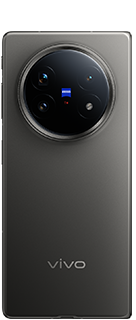



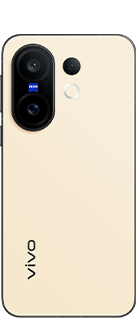

MASTER OF VIVO X200 PRO TO | Super macro" mode indicates extreme 📸

1. Macro Focus and Detail: The "Super macro" mode indicates extreme close-up capability, essential for capturing the intricate details of the spider and its delicate web. In macro photography, achieving sharp focus on the tiny subject, especially its eyes, is crucial and often requires manual focus or precise control over the autofocus system.
2. Bokeh Effect for Subject Isolation: The on-screen text highlights the "bokeh effect" and the ability to "manually adjust different bokeh intensities." This refers to the pleasing blurred background, which effectively isolates the spider and draws the viewer's eye to the main subject, creating a strong sense of depth despite the close proximity

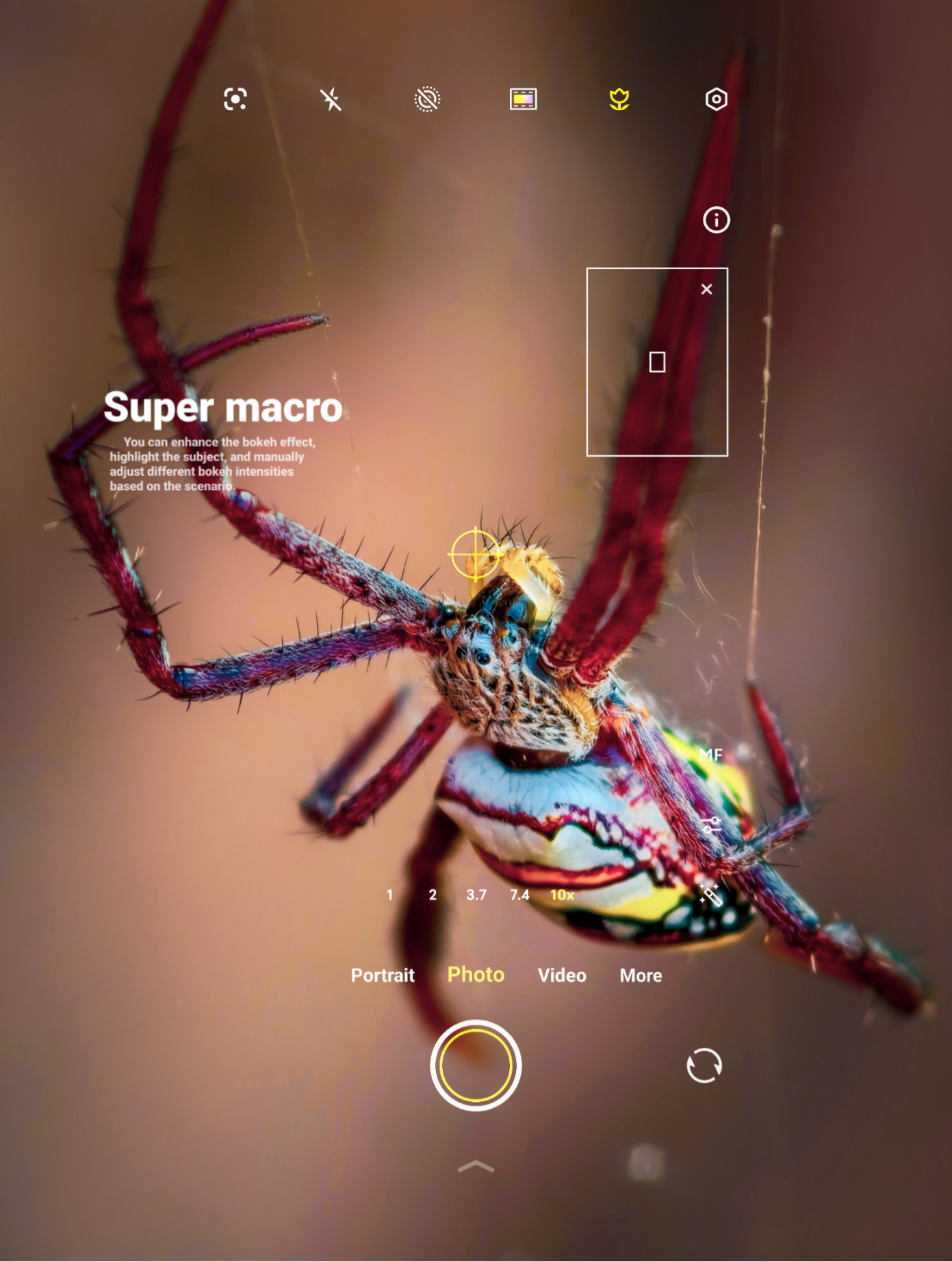
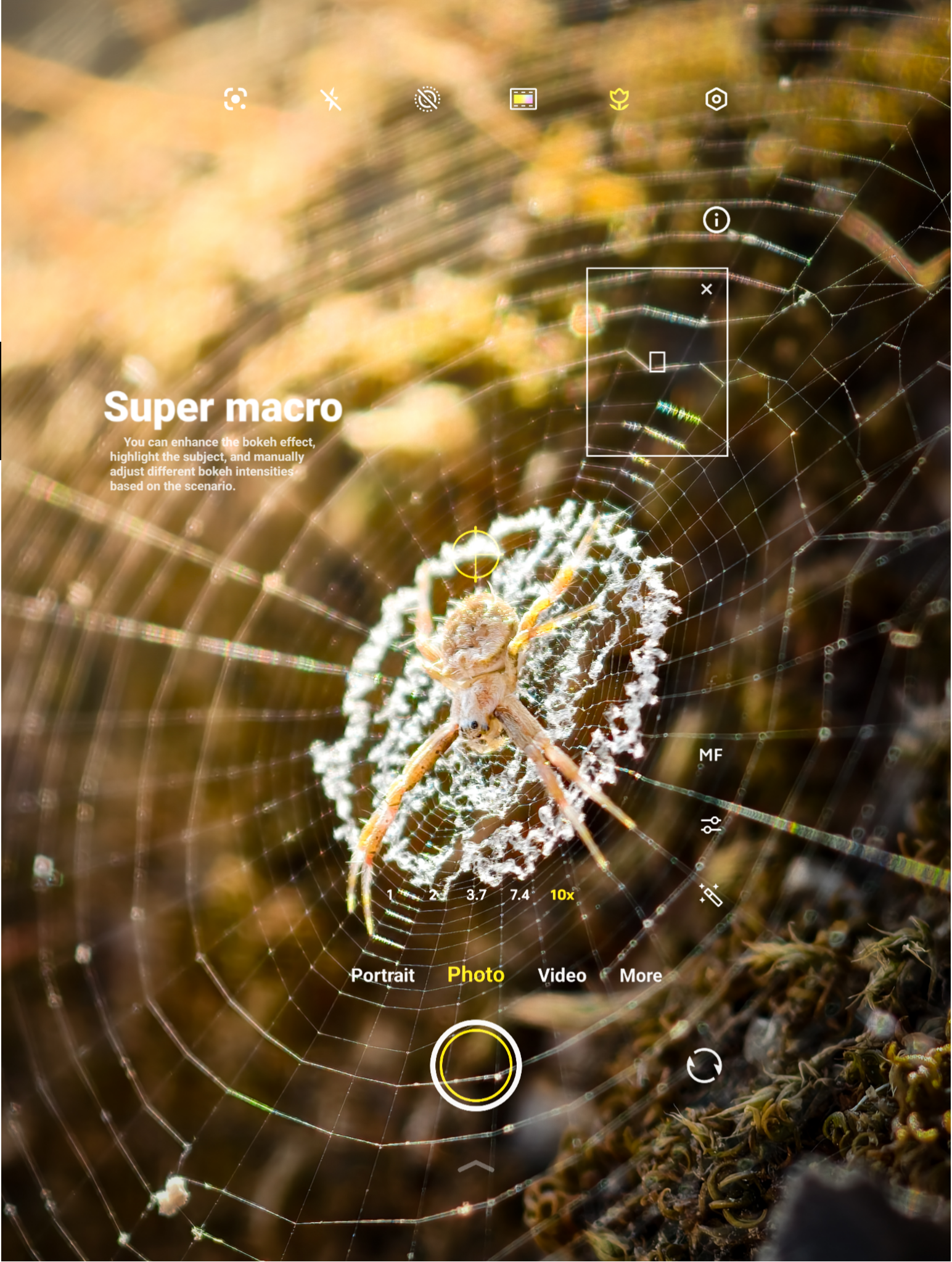
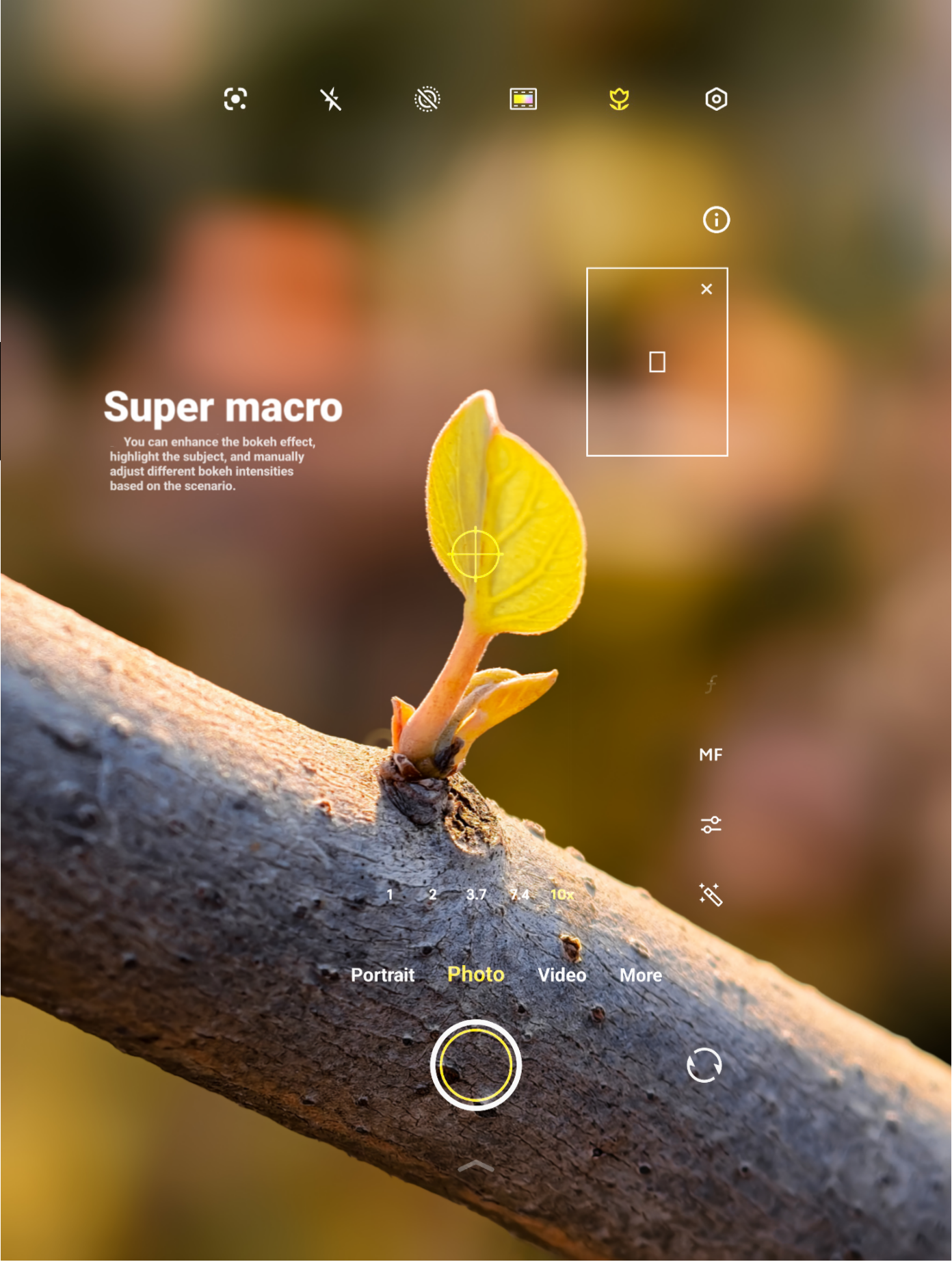
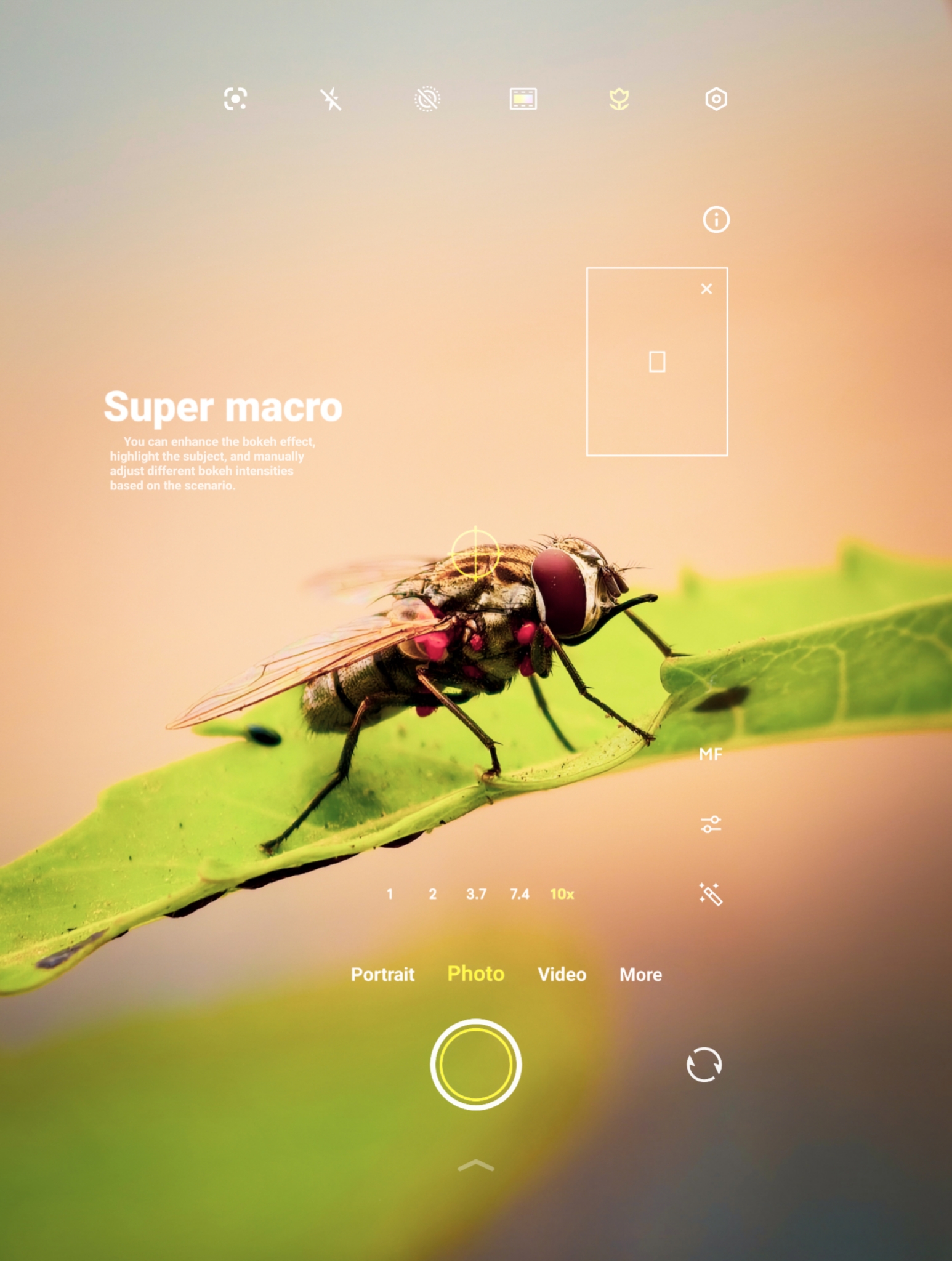
3. Depth of Field Management: In macro photography, depth of field is exceptionally shallow, meaning only a very narrow plane is in focus. To manage this, photographers often adjust aperture (using a wider aperture like f/2.8 or lower if possible for pronounced bokeh, or narrower like f/8-f/11 for more of the subject in focus) and carefully position the subject relative to the background.
4. Lighting Considerations: While the image
appears to use natural light, for super macro, controlling light is paramount. Diffused natural light, a ring flash, or external flash with diffusers are commonly used to illuminate the subject evenly and prevent harsh shadows, which can be critical for bringing out textures and details in tiny subjects.
Tag 🌟
@vivo India@Ajeesh@ajaya@Clicker_NextDoor@Gourav_joshi@BAPI@Shivender kumar
Please sign in
Login and share