
























How magnetic trains float at high speed and the technology behind them

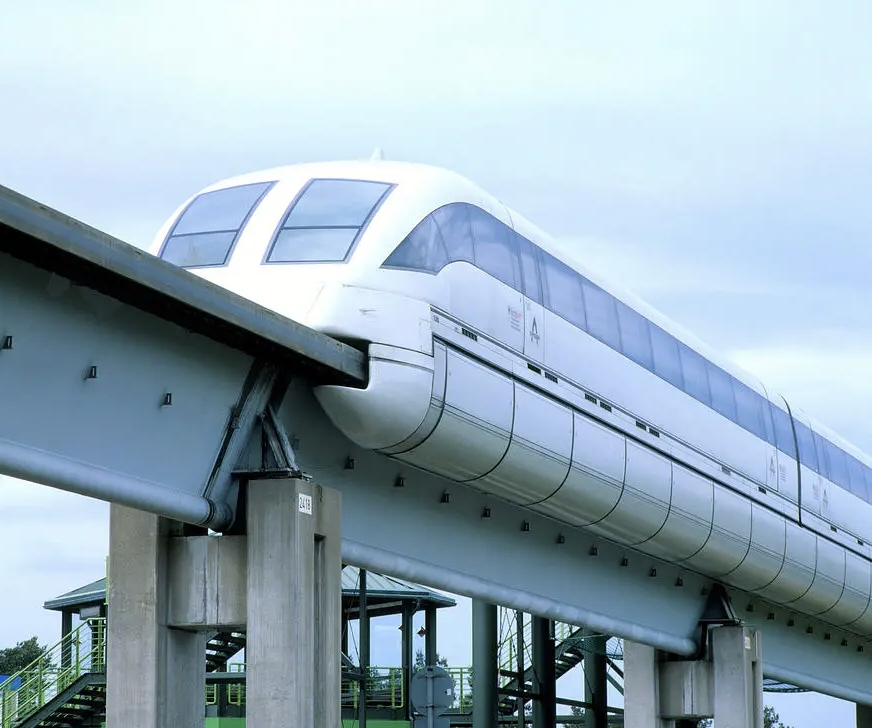
How magnetic trains float above their tracks using powerful magnets,
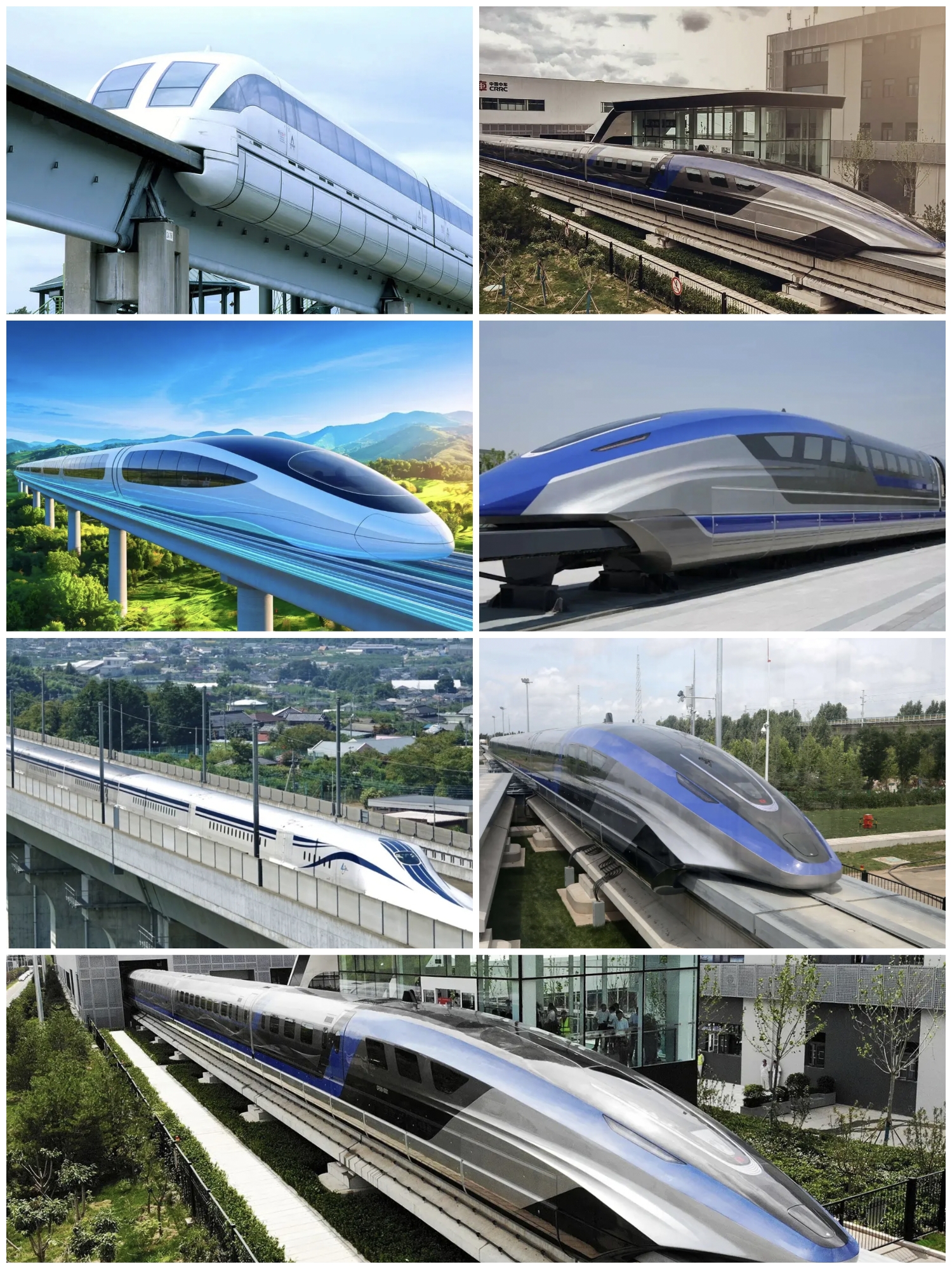
allowing super-smooth, fast and eco-friendly travel. With almost no friction, maglev systems offer quiet rides, high speeds and a greener future for transport.
Magnetic Trains?
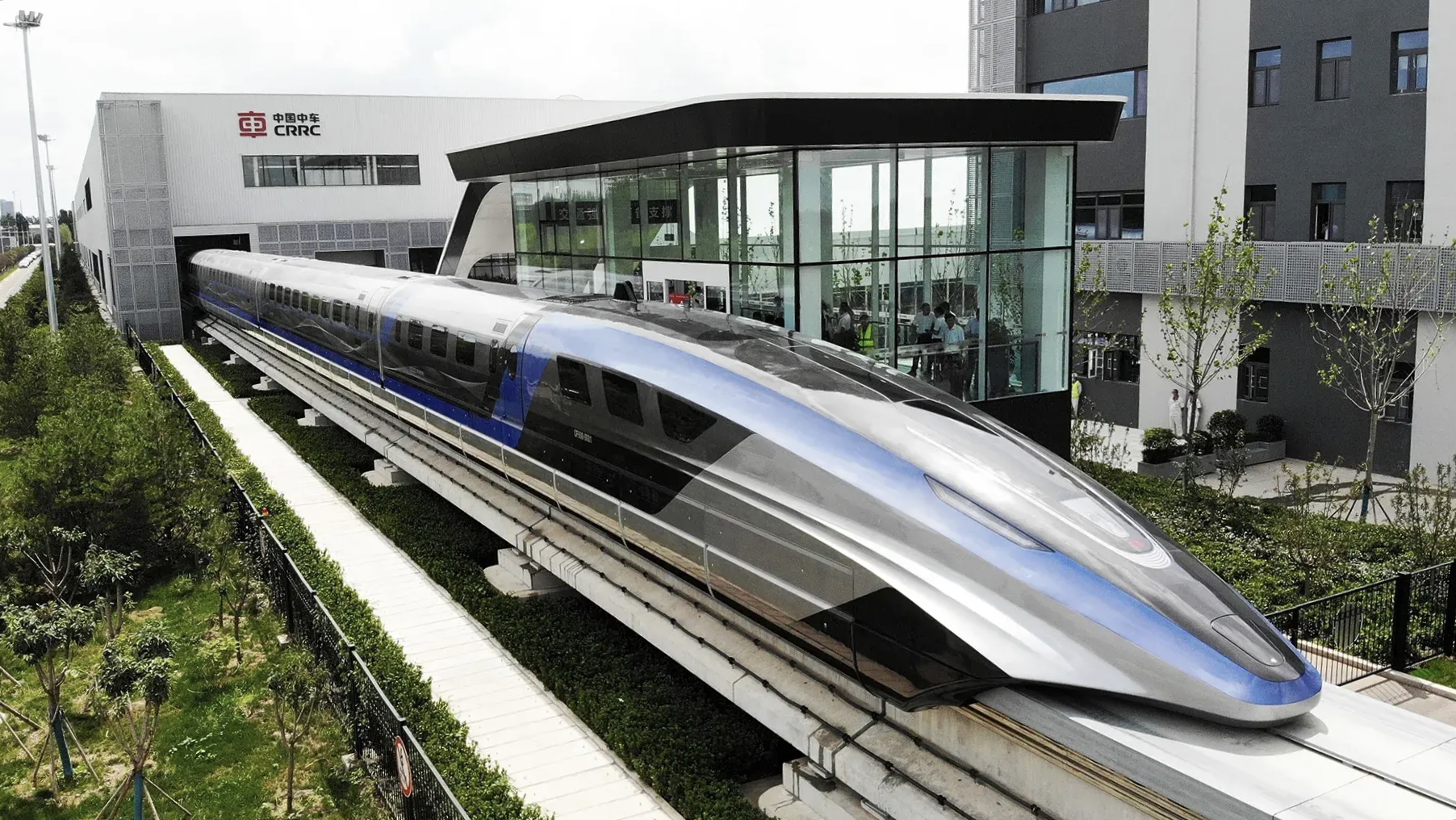
Maglev trains use principles of magnetism to float just above special tracks, reducing friction to almost zero. This allows them to travel much faster than traditional trains.
How Do They Levitate?
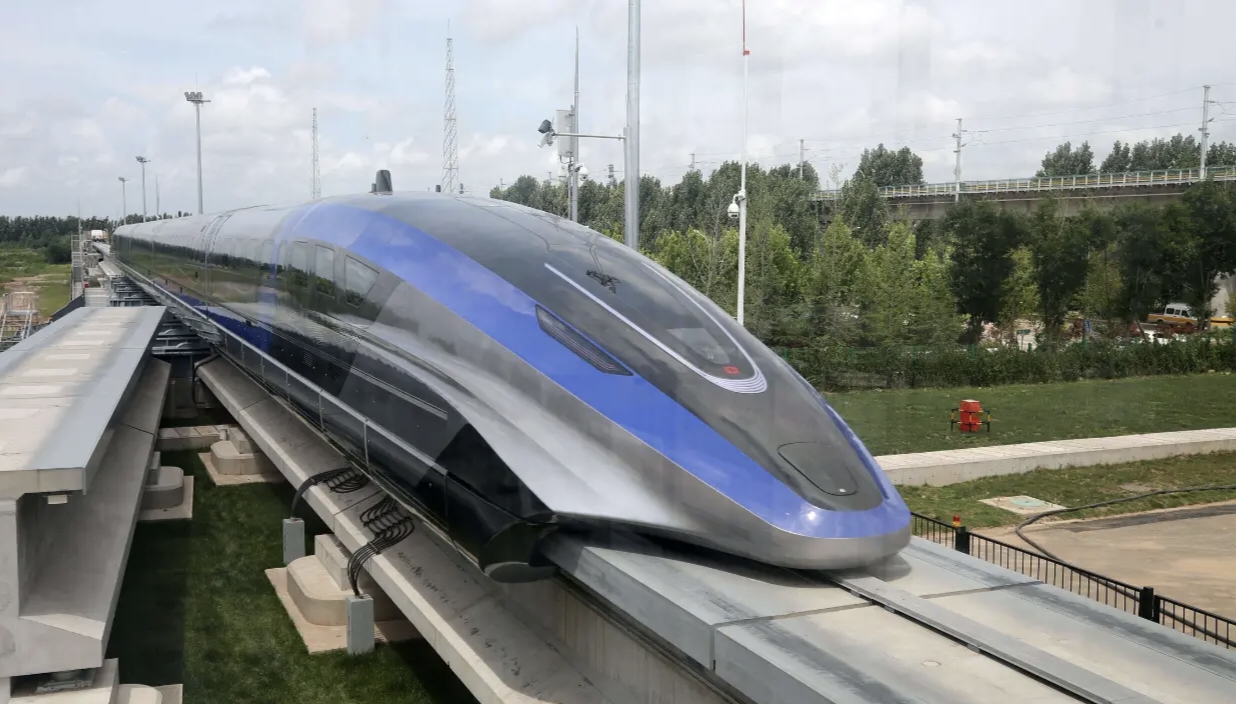
Powerful magnets under the train and in the track push against each other. This lifts the train a centimetre or more above the guideway, so the train never touches the rails, not even at high speed.
Making the Train Move Forward
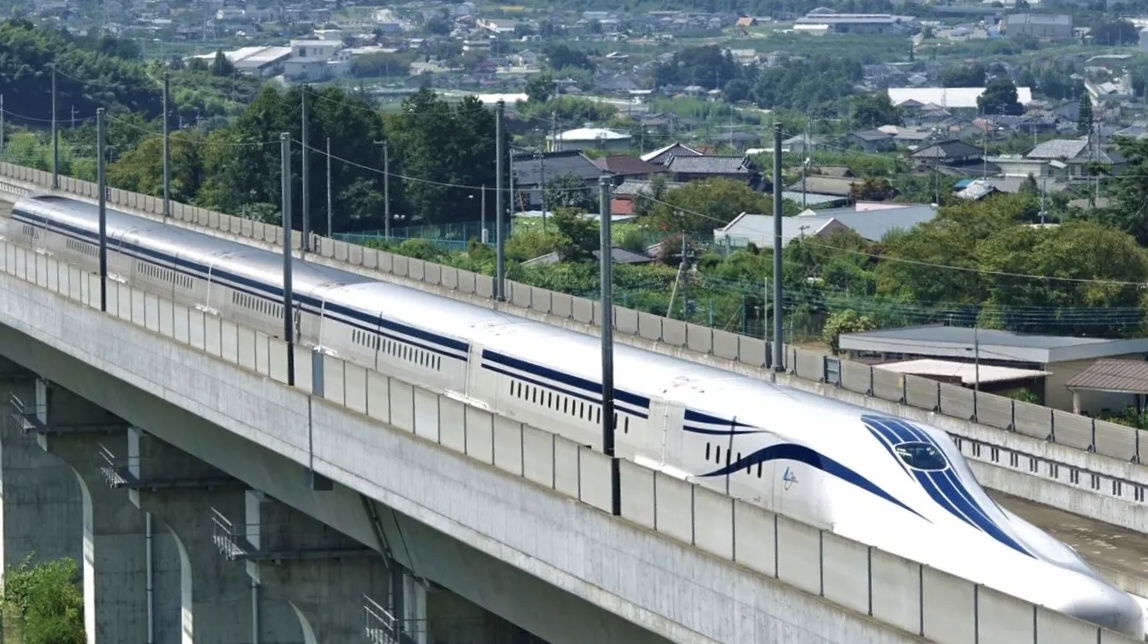
Maglev systems use either electromagnetic suspension (EMS) or electrodynamic suspension (EDS). In both, changing magnetic fields from the track attract and repel magnets on the train, pulling it along without wheels or engines. The train literally slides forward by “surfing” these magnetic fields.
Speed and Efficiency
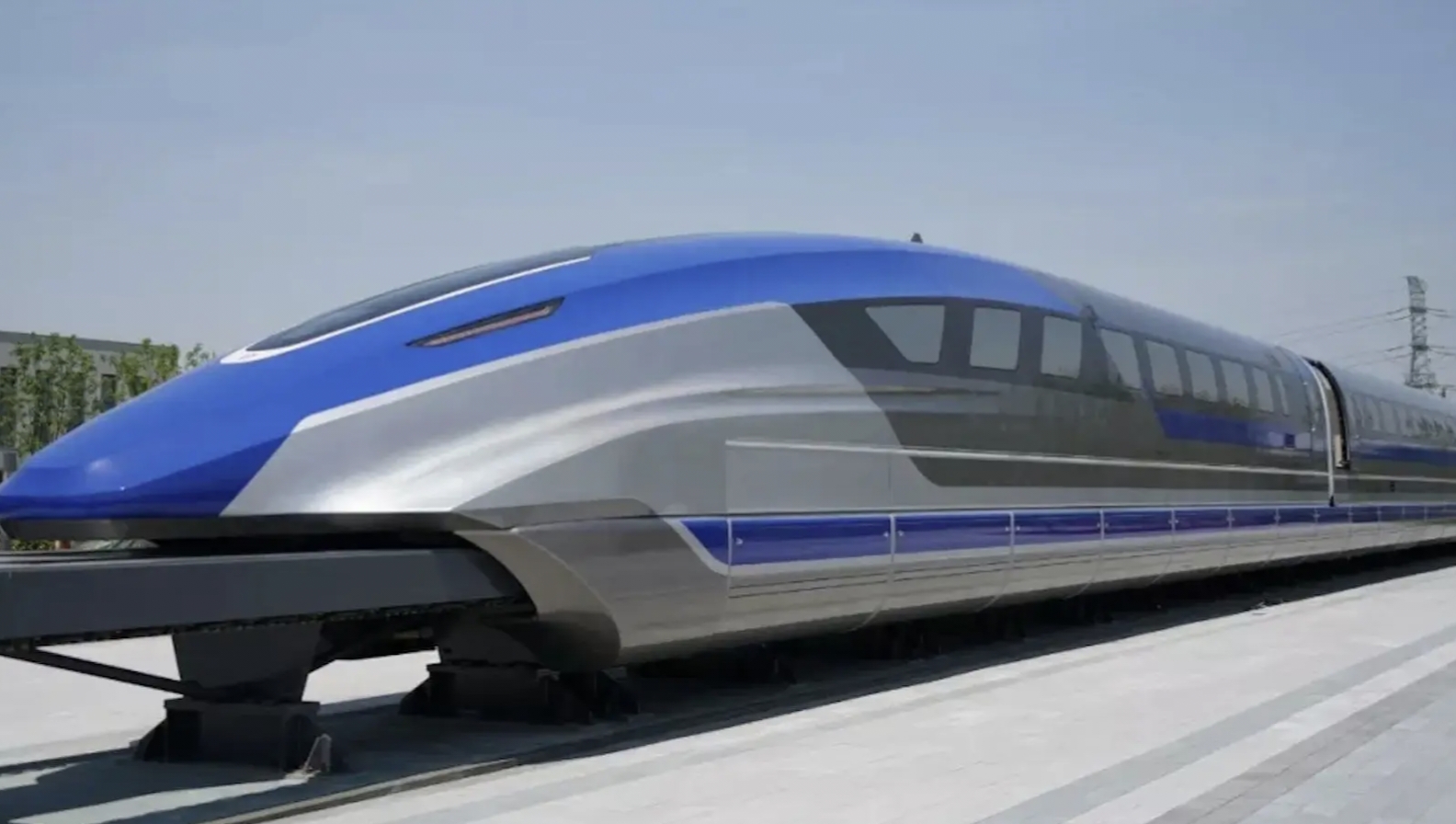
With little friction, maglev trains have hit speeds over 600 km/h in tests and run at 430 km/h in daily Chinese service. Energy use per passenger is lower than airplanes or cars, and there’s no track wear because the two never touch.
Guidance and Stability
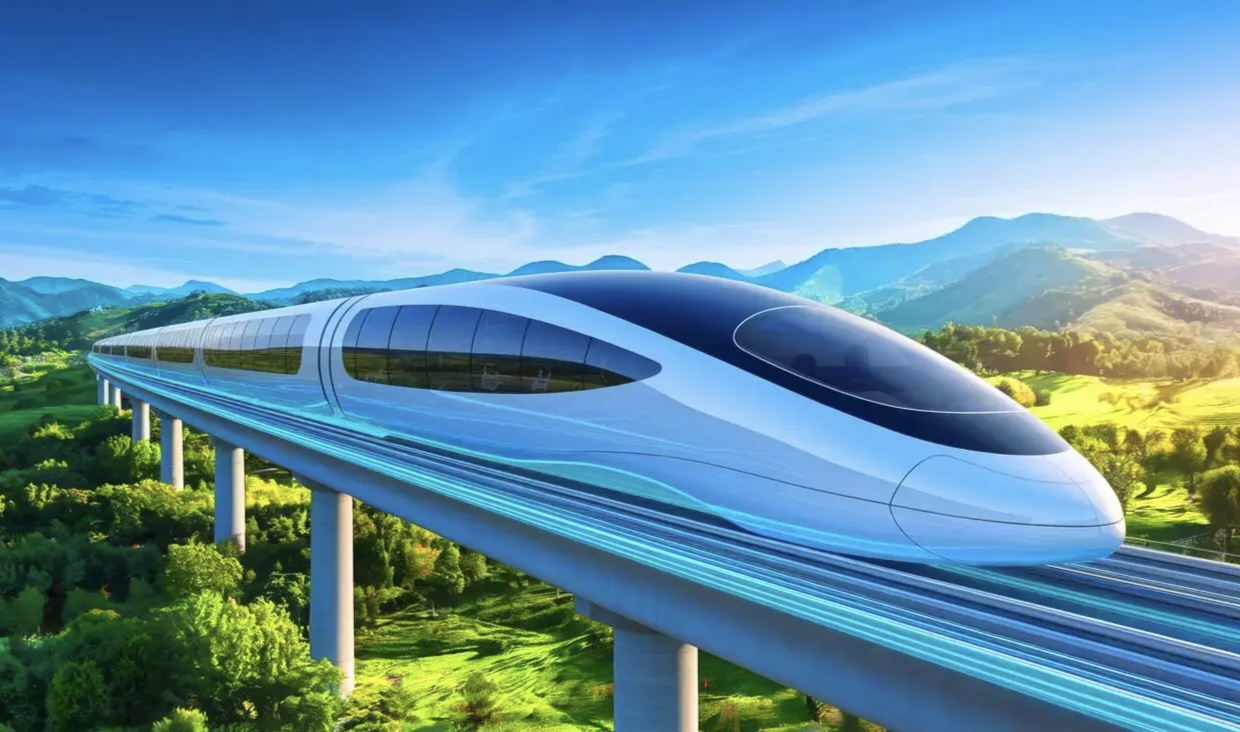
Additional magnets stabilise the train so it doesn’t sway or move side-to-side. Sensors and computers adjust the magnets in real time, keeping the train level and smooth even at very high speeds.
Safety and Environmental Benefits
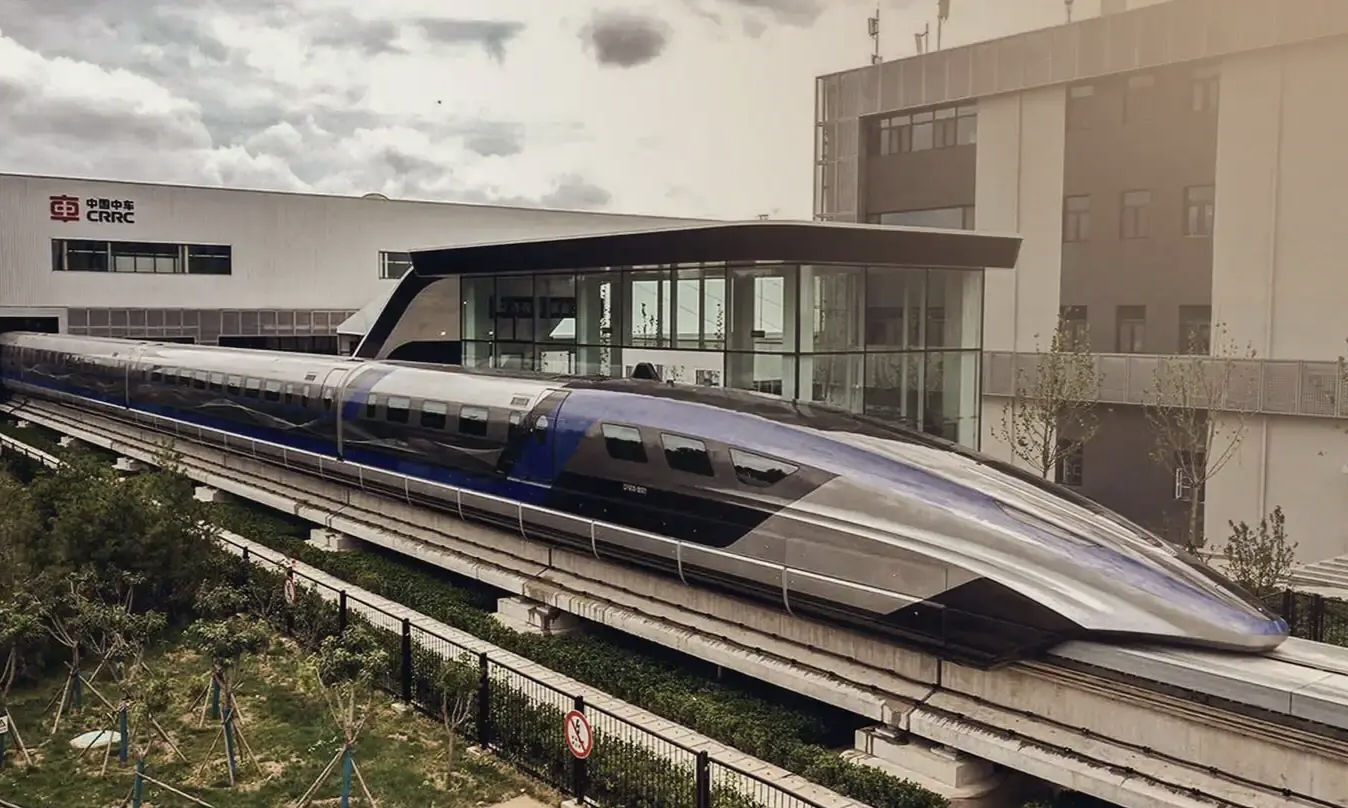
No wheels mean less vibration and extremely quiet rides. Magnetic trains produce no emissions at the point of use and can run on renewable energy, making them one of the greenest ways to travel.
The Future - Even Faster and Cleaner
Engineers are now testing maglev trains in vacuum tubes, aiming for speeds above 1,000 km/h. Future cities could have floating trams powered by similar technology.
Please like and follow @vivo India
Please sign in
Login and share