




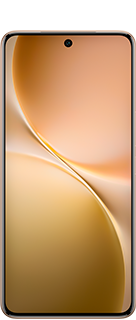
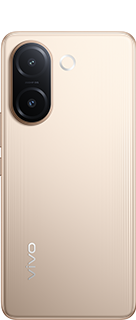
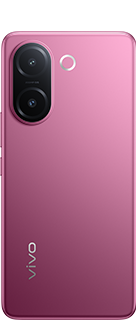

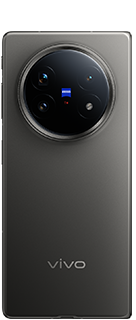


Why Smartphones Get Faster and Smarter Every Year.

Ever wonder how the smartphone you
bought last year suddenly feels slow
compared to the new model? It's not magic;
it's a calculated, continuous technological
revolution in both hardware and software.
Here's a 7-point breakdown of the science
behind the speed and intelligence boost
1.𝗧𝗵𝗲 𝗘𝗻𝗴𝗶𝗻𝗲: 𝗦𝗵𝗿𝗶𝗻𝗸𝗶𝗻𝗴 𝗧𝗿𝗮𝗻𝘀𝗶𝘀𝘁𝗼𝗿𝘀 &
𝗠𝗼𝗼𝗿𝗲'𝘀 𝗟𝗮𝘄
The foundation of annual speed increases
lies in the System-on-a-Chip (SoC), the
phone's main processor. Chip makers (like
Apple, Qualcomm, etc.) follow a rule known
as Moore's Law.
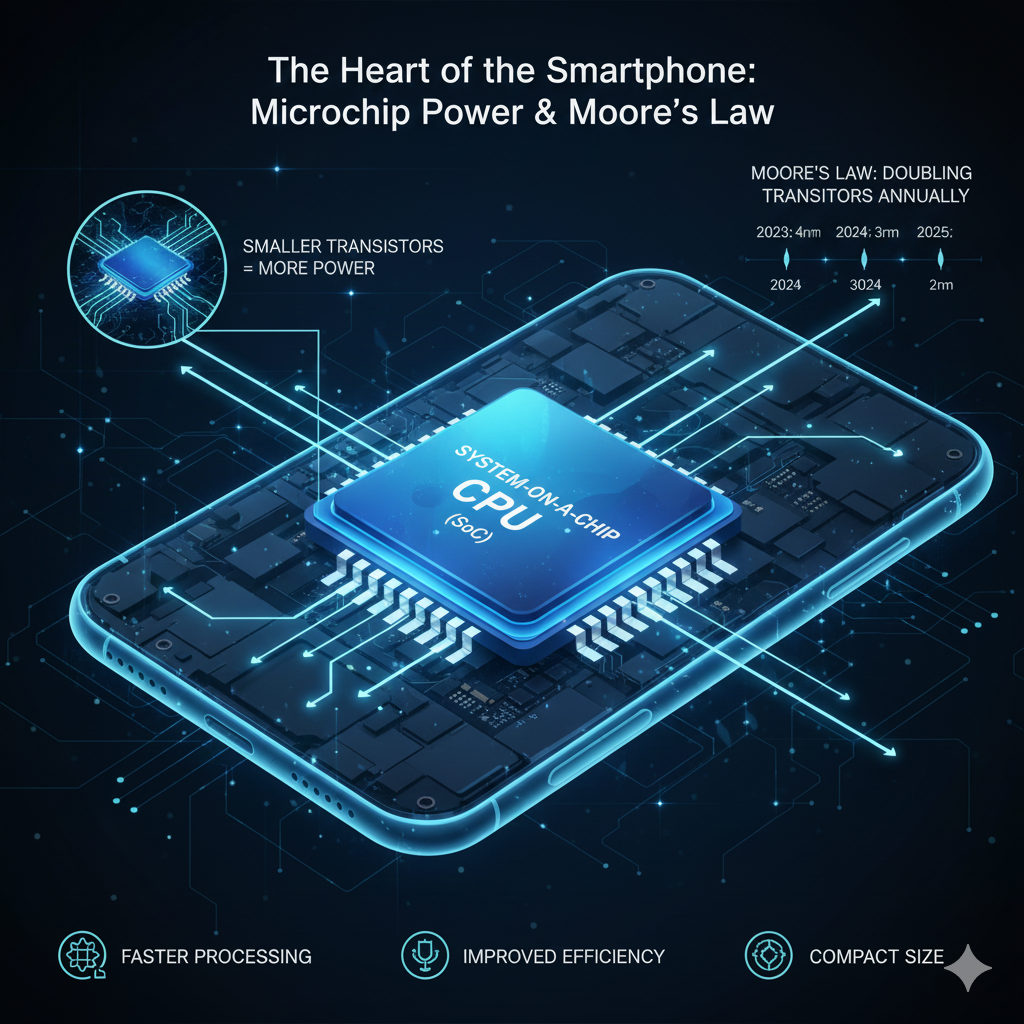
• 𝗧𝗵𝗲 𝗖𝗼𝗿𝗲 𝗣𝗿𝗶𝗻𝗰𝗶𝗽𝗹𝗲: Every year, they
manage to shrink the size of the
transistors on the chip (e.g., from 5nm
to 4nm to 3nm).
• 𝗧𝗵𝗲 𝗥𝗲𝘀𝘂𝗹𝘁: Smaller transistors mean
more transistors can be packed onto
the same size chip.
• 𝗧𝗵𝗲 𝗕𝗲𝗻𝗲𝗳𝗶𝘁: More transistors mean
faster processing, greater power
efficiency, and less heat generation.
This gives your phone raw speed.
2. 𝗧𝗵𝗲 𝗕𝗿𝗮𝗶𝗻: 𝗗𝗲𝗱𝗶𝗰𝗮𝘁𝗲𝗱 𝗔𝗹 𝗘𝗻𝗴𝗶𝗻𝗲𝘀
(𝗡𝗣𝗨𝘀)
The "smart" part comes from specialized
chips called Neural Processing Units
(NPUs). This hardware is built specifically to
handle Artificial Intelligence (Al) and
Machine Learning (ML) tasks, taking the
load off the main CPU.

• 𝗪𝗵𝗮𝘁 𝗡𝗣𝗨𝘀 𝗱𝗼: They accelerate
complex tasks like real-time voice
recognition, image recognition,
adaptive battery management, and
predictive text.
• 𝗪𝗵𝘆 𝗶𝘁 𝗺𝗮𝘁𝘁𝗲𝗿𝘀: By offloading Al tasks,
the NPU makes features feel
instantaneous, such as applying
cinematic blur to a video in real-time or
processing Night Mode photos in
seconds. This is the definition of
smarter.
3. 𝗖𝗮𝗺𝗲𝗿𝗮 𝗠𝗮𝗴𝗶𝗰:𝗖𝗼𝗺𝗽𝘂𝘁𝗮𝘁𝗶𝗼𝗻𝗮𝗹
𝗣𝗵𝗼𝘁𝗼𝗴𝗿𝗮𝗽𝗵𝘆
The cameras don't just use better glass;
they use better math. The stunning photos
you take are primarily the result of software
powered by the NPU.
• 𝗡𝗼 𝗙𝗹𝗮𝘀𝗵 𝗡𝗲𝗲𝗱𝗲𝗱: Features like Night
Mode, HDR (High Dynamic Range), and
Portrait Mode are not single captures.
The phone instantly takes multiple
frames, uses Al to analyze light, color,
and noise, and merges them into one
perfect image.
• 𝗣𝗿𝗼-𝗧𝗶𝗽: The difference between a
good camera and a great smartphone
camera is almost entirely the result of
this computational power.
4. 𝗗𝗮𝘁𝗮 𝗔𝗰𝗰𝗲𝘀𝘀: Faster RAM & Storage
A fast processor is useless if it has to wait
for data. This is where memory and storage
advancements come in.
• 𝗥𝗔𝗠(𝗟𝗣𝗗𝗗𝗥𝟱/𝟱𝗫): New generations
of RAM (currently LPDDR5X) are
significantly faster, allowing the phone
to switch between dozens of apps
seamlessly (multitasking).
• 𝗦𝘁𝗼𝗿𝗮𝗴𝗲 (𝗨𝗙𝗦 𝟰.𝟬): The storage
technology (e.g., UFS 4.0) boosts
read/write speeds, meaning apps
launch quicker, large files transfer
instantly, and the overall "snappiness"
of the phone improves dramatically.
5. 𝗧𝗵𝗲 𝗢𝗦 𝗨𝗽𝗴𝗿𝗮𝗱𝗲: 𝗦𝗼𝗳𝘁𝘄𝗮𝗿𝗲
𝗢𝗽𝘁𝗶𝗺𝗶𝘇𝗮𝘁𝗶𝗼𝗻
Hardware provides the potential, but
software unlocks it. Every major operating
system update (iOS and Android) focuses
heavily on optimization.
• 𝗘𝗳𝗳𝗶𝗰𝗶𝗲𝗻𝗰𝘆: Newer OS versions feature
more efficient code, better memory
management, and smarter resource
allocation.
• 𝗟𝗲𝗮𝗿𝗻𝗶𝗻𝗴: They use ML algorithms to
learn your usage patterns-which apps
you use most, and when-and prioritize
system resources for those apps,
making your personal experience feel
faster.
6. 𝗧𝗵𝗲 𝗪𝗼𝗿𝗹𝗱 𝗢𝘂𝘁𝘀𝗶𝗱𝗲: 𝗖𝗼𝗻𝗻𝗲𝗰𝘁𝗶𝘃𝗶𝘁𝘆
𝗦𝗽𝗲𝗲𝗱 (𝟱𝗚/𝗪𝗶-𝗙𝗶 𝟳)
A fast phone with slow internet feels slow.
The annual improvement cycle always
integrates the latest, fastest connectivity
standards.
• 𝟱𝗚/𝟲𝗚: Ultra-fast 5G speeds mean
downloading huge files or streaming 4K
video happens instantly, making the
entire experience feel quicker.
• 𝗟𝗼𝘄𝗲𝗿 𝗟𝗮𝘁𝗲𝗻𝗰𝘆: New modems offer
lower latency, which is crucial for real-
time applications like cloud gaming and
live video conferencing.
7. 𝗨𝘀𝗲𝗿 𝗘𝘅𝗽𝗲𝗿𝗶𝗲𝗻𝗰𝗲: Smoother Displays
Finally, the screen technology makes the
phone feel faster, even if the chip speed
increase is modest.
• 𝗛𝗶𝗴𝗵 𝗥𝗲𝗳𝗿𝗲𝘀𝗵 𝗥𝗮𝘁𝗲𝘀: Displays with
120Hz or 144Hz refresh rates refresh
the screen twice as often as older 60Hz
screens. This makes scrolling,
animations, and transitions incredibly
smooth and responsive, tricking your
brain into thinking the device is faster
than it might actually be.
𝗦𝗼𝘂𝗿𝗰𝗲: Google
𝗜𝗳 𝘆𝗼𝘂 𝗲𝗻𝗷𝗼𝘆𝗲𝗱 𝘁𝗵𝗶𝘀 𝘁𝗵𝗿𝗲𝗮𝗱, 𝗰𝗼𝗻𝘀𝗶𝗱𝗲𝗿 𝗳𝗼𝗹𝗹𝗼𝘄𝗶𝗻𝗴 𝗳𝗼𝗿 𝗺𝗼𝗿𝗲 𝗲𝗮𝘀𝘆-𝘁𝗼-𝘂𝗻𝗱𝗲𝗿𝘀𝘁𝗮𝗻𝗱 𝘁𝗲𝗰𝗵 𝗶𝗻𝘀𝗶𝗴𝗵𝘁𝘀.
Please sign in
Login and share