






What Is Nomophobia?

Hello vivoicers,
In this thread I'm going to talk about most serious topic of today's era. Peoples are avoiding guardians are avoiding because it does not look that dangerous when you see it. But if you think about it this is the most serious topic of today's time. "It is addiction of phone".

About this thread
Its easy to get addicted when there's a lot of work to do which seems hard and scrolling on the phone is the easy thing to do. You'll have to consciously make a choice to not stay on your phone and remind yourself when you slip up, it should be in the back of your mind that you have to break this habit. In this thread I'm gonna talk about the problem and solution both.
What is extremely addiction
It's getting really bad now people have 10-12hr screentime usually and they can't stop. They stay up till 12am on there phone. They have the urge to check social media all the time or they'll spend hours on youtube. Sometimes they don't even want to be on insta but they still find there self just scrolling and it's ruining everyone life because they can't focus on schoolwork and studying. there grades dropped. They need a serious help because addiction is killing them.
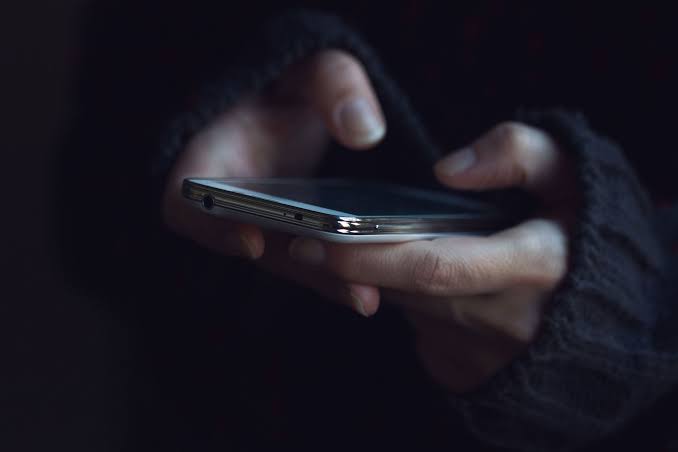
It has become a common scenario in psychiatric services when a parent brings his or her child to the OPD with complaints of excessive mobile use. Most of these cases can be dealt with through counselling and parental training, but some require treatment. According to Dr Bhagyashree Kulkarni who is the Head of Forensic Psychology at the Institute of Forensic Psychology, "Nomophobia often triggers heightened anxiety in individuals. It impairs sleep patterns thereby disturbing the circadian rhythm of the body necessary to maintain an equilibrium to carry out every day work. It leaves a sense of depersonalisation, where real life connections and emotions take a back seat to digital interactions."
What is Nomophobia?
Dr. Meenakshi Jain, who is an Assistant Professor in the Department of Psychiatry at Amrita Hospital Faridabad said, "Nomophobia, or NO MObile PHOBIA, is a cluster of physical and mental symptoms that arise in a person with mobile dependency, arising from the fear of breaking or losing the mobile. In addition, patients may also fear being without mobile service or if the mobile runs out of battery. This fear is intrusive and makes afflicted individuals anxious if they are unable to reach the mobile even for a few minutes. The mere thought or suggestion of turning off the mobile becomes overwhelming and unbearable to them."
Symptoms Of Nomophobia
Dr. Meenakshi Jain explained that symptoms of nomophobia mimic anxiety disorders, such as difficulties in breathing, trembling, disorientation, sweating, agitation, increased heart rate, and a feeling of loss in the absence of the device.
Talking about other symptoms, Dr Bhagyashree Kulkarni said, "It further noticed that individuals facing Nomophobia face difficulties in decision making and goal achievement it gets increasingly difficult, they seem in a cycle of dependency bothered out of an influx of information and notifications as deadlines keep thronging continually, and their ability to make clear decisions rational choices is lowered."
Dr. Meenakshi Jain went on to describe Nomophobia as a war and said, "Many nomophobics not only have to fend themselves against nomophobia but also fight against other illnesses like social anxiety, depression, panic disorder, addictions, etc. It has been hypothesized that nomophobia affects those with pre-existing anxiety disorders or cell phone addiction at a higher rate compared to the general population. Some also claim that nomophobia can worsen pre-existing mental illnesses."
Why People Become Nomophobic?
In this regard, Dr. Meenakshi Jain said, "Multiple predisposing factors are seen in nomophobics. The most common among these include low self-esteem and image issues. It is often observed that people with low self-esteem show addictive behaviour. High neuroticism and a tendency to derive validation and approval from outside force adolescent age groups into the virtual world of digital media. People who feel insufficient and lack the ability to feel connected in the real world find social media a comfortable platform, thus repeating the same behavior. For those with poor coping skills, when failure hits in the real world, they tend to overuse digital media as a method to escape from reality. These features combined over a long period of time lead to excess mobile use and thus anxiety in the absence of mobile."
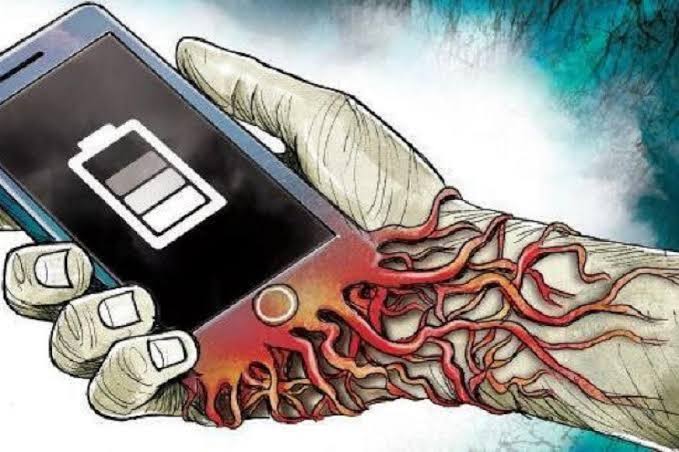
How To Deal With Nomophobia?
Talking about this, Dr. Sairaj M. Patki who is an Assistant Professor (Psychology) in the Department of Psychological Sciences, School of Liberal Education at FLAME University, Pune said, "This can be dealt with by helping the individual focus on other engaging but healthy/more adaptive tasks like competitive group activities, sports, and hobbies. These substitute activities ensure that the individual experiences positive emotions while also being physically engaged. This strategy helps reduce the dependence on the phone and also adds to the productive-activities repertoire of the individual."
"The excessive stimulation provided, especially by modern social media platforms, games and apps on the phone reinforces its usage since it offers immediate gratification. Replacing this gratification with more meaningful activities is the key to reducing nomophobia. In addition, relaxation and meditation offer better and more enduring control of the physiological and psychological aspects of anxiety that result from the condition. Eventually, one must aim at developing mindful usage of the phone. Timely identification of excessive and inappropriate usage and self-control on further usage is the ultimate goal of any intervention to treat nomophobia."

Please sign in
Login and share