






















B-2 Stealth Bomber: Nature-Inspired Design from Falcon Aerodynamics

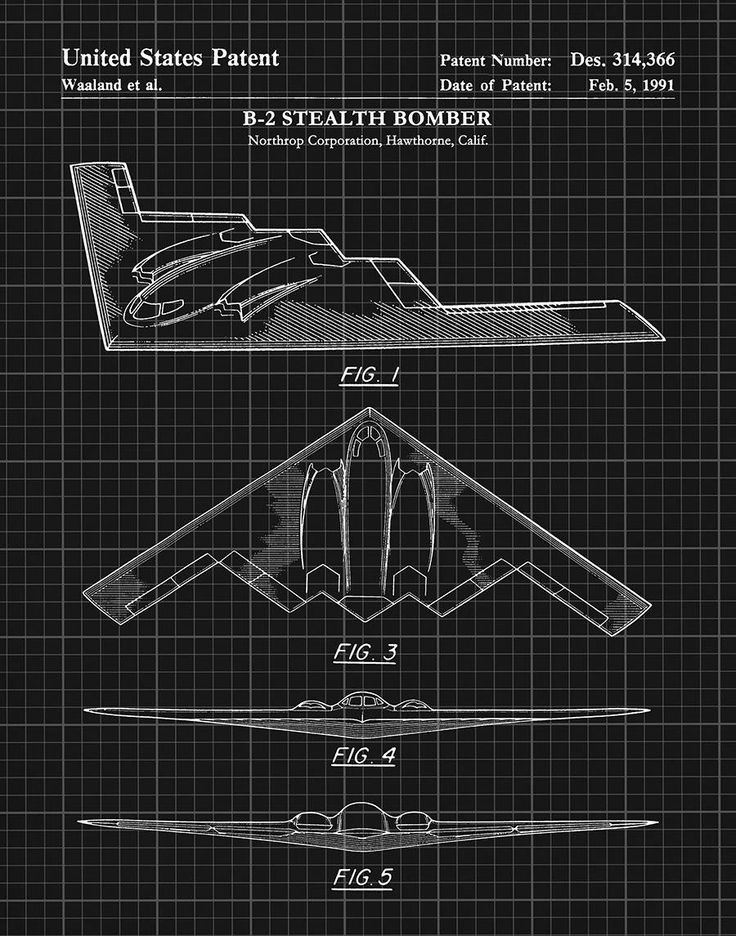
The B-2 Stealth Bomber's design is influenced by various aspects of nature, and while the falcon is not the primary inspiration, certain principles observed in falcons and other birds of prey do resonate with its design elements:
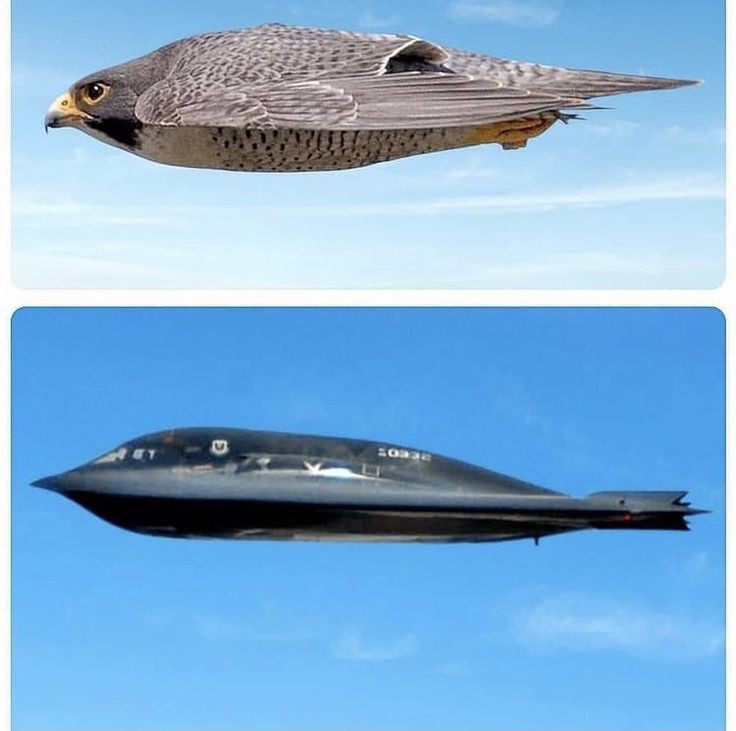
Aerodynamic Efficiency:
Falcons, particularly the peregrine falcon, are known for their incredible speed and aerodynamic efficiency. The sleek, streamlined shape of these birds reduces drag, allowing them to dive at high speeds. Similarly, the B-2's smooth, aerodynamic shape minimizes air resistance, enhancing its fuel efficiency and allowing for long-range missions.
Stealth and Surprise:
Falcons are stealthy hunters, often approaching their prey with minimal noise and sudden bursts of speed. The B-2 is designed for stealth, using its shape and radar-absorbing materials to avoid detection, much like a falcon uses its natural camouflage and quiet approach to avoid being noticed until the last moment.
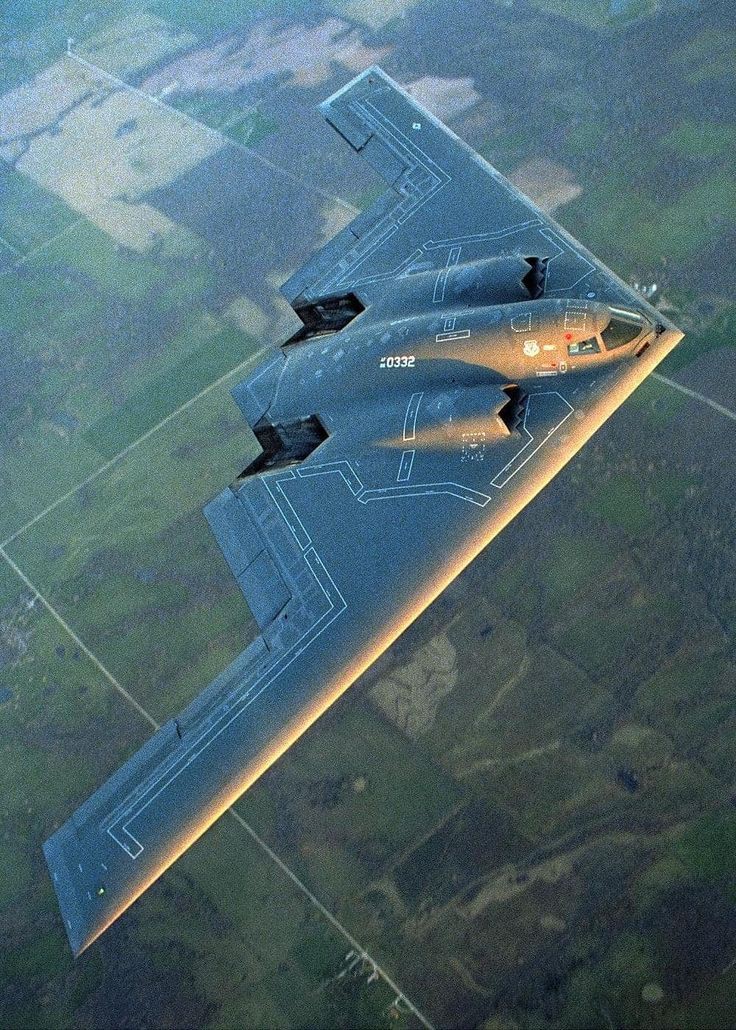
Wing Structure:
The wings of a falcon are optimized for both speed and maneuverability. While the B-2 features a flying wing design rather than traditional wings, the emphasis on aerodynamics and efficient lift generation echoes the natural optimization seen in falcon wings.
Silent Flight:
Some aspects of the falcon's flight, particularly its ability to glide silently during an attack, are mirrored in the B-2's design, which includes technologies to reduce noise and infrared signatures, making it harder to detect.

While the B-2's design is a complex integration of advanced aerodynamics, stealth technology, and engineering, the fundamental principles of efficiency, stealth, and performance seen in nature, including in falcons, certainly play a role in shaping its development.
Please sign in
Login and share