






















The Unseen Weave | Small Creatures, Big Impact 🌿

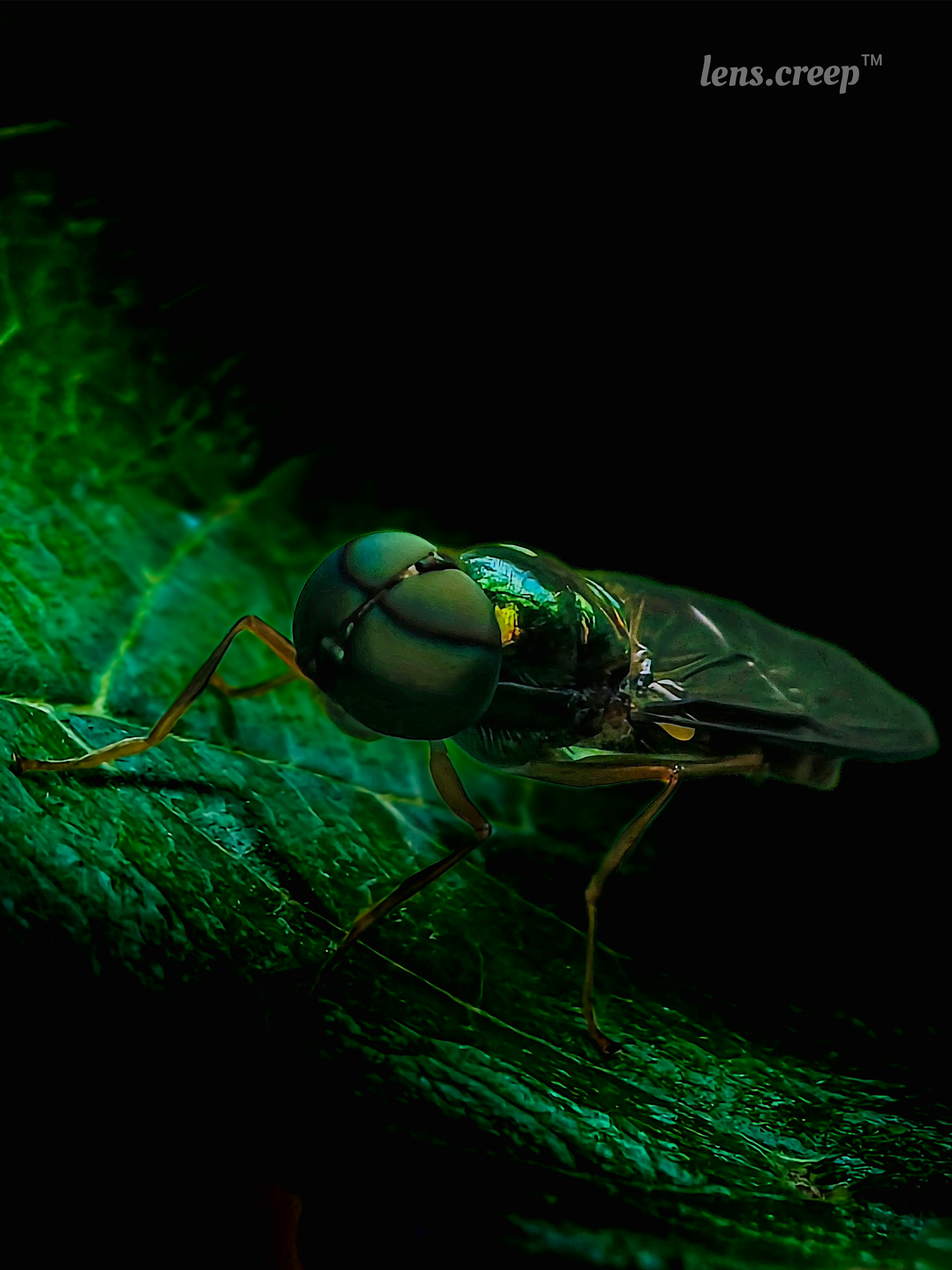
Model - Green-Headed Fly or Small Soldier fly (family Stratiomyidae)
Model - Horsefly (family Tabanidae)
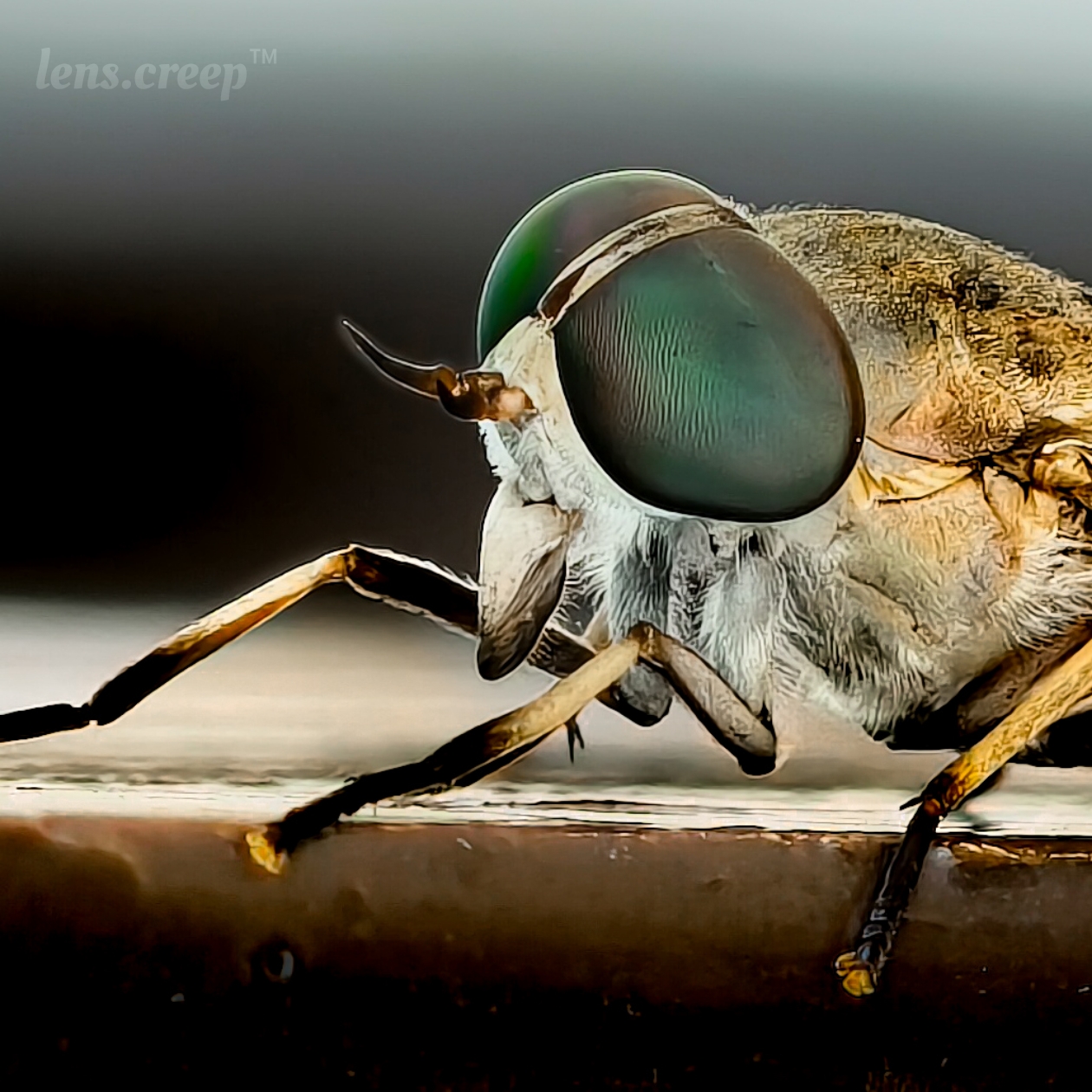
Here's some information about horseflies:
• Identification: Horseflies are true flies (order Diptera) known for their large size and agile flight.
•Notable species include Tabanus sudeticus (dark giant horsefly) and Tabanus bovinus (pale giant horsefly), both of which are biting horseflies.
• In contrast to females, male horseflies primarily feed on nectar.
•Impact: Their bites can be a nuisance to both humans and animals, and in some cases, they can TRANSMIT DISEASES.
Model - chafer beetle 🪲
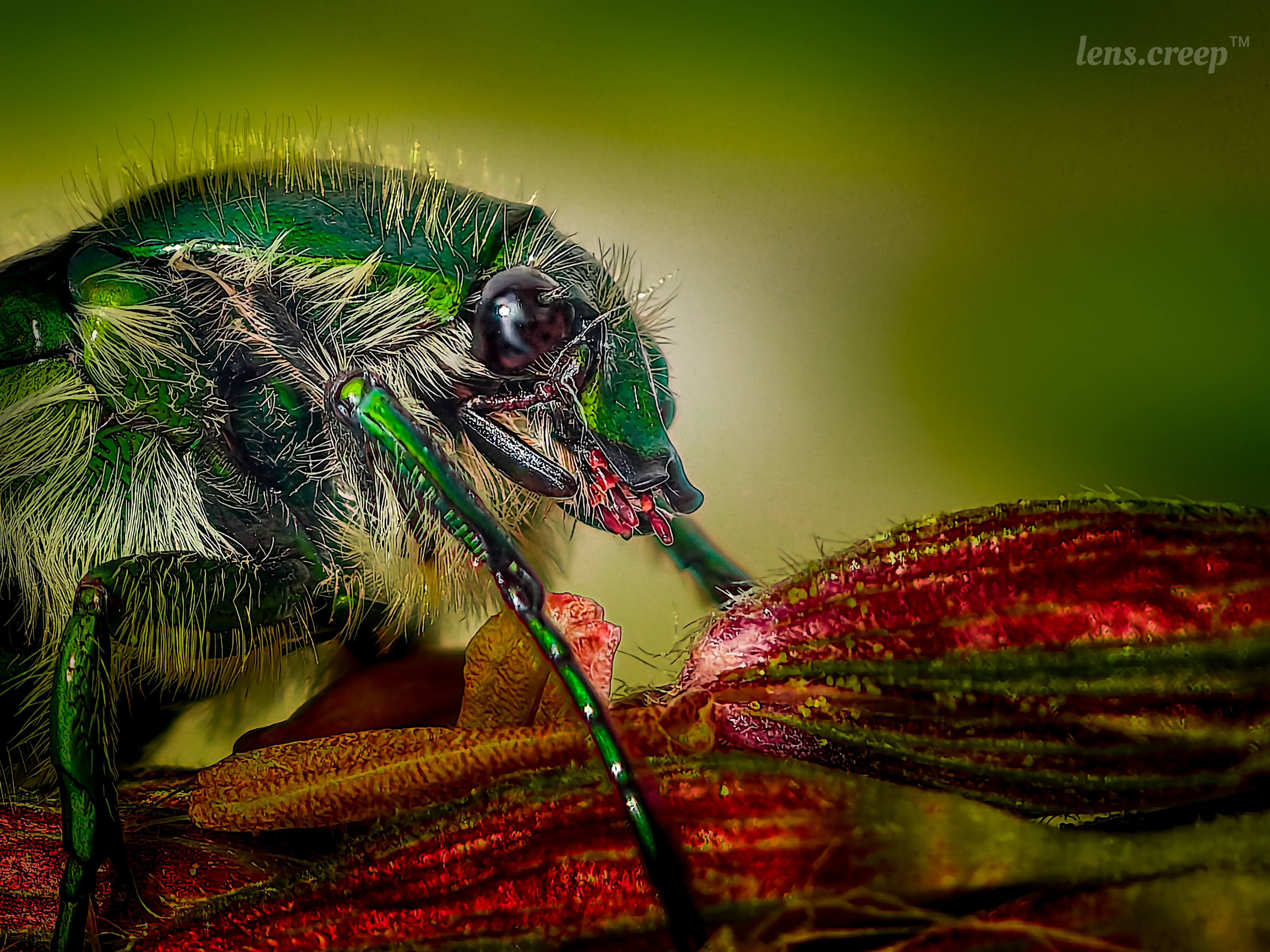
Here some information about 🪲
• It's a metallic green beetle, about 20 millimetres long, with a distinct V-shaped scutellum.
• This species is common in Europe and widely distributed in the Indian subcontinent, where it's also known as Chiloloba acuta.
• Rose chafers feed on pollen from flowers and fruits, transitioning to a fruit diet in the summer when fruit becomes more available.
Model - Red Cotton Stainer bug (family Pyrrhocoridae)

Here some information about :
•Elongate-oval body shape. triangular head, a distinctive white pronotal collar, and red forewings (hemelytra) typically marked with
central black spots. The abdomen has transverse white bands ventrally.
•Commonly found in various parts of Asia and northern Australia.
•The feeding activity can lead to boll abortion, premature opening, and reduced quality of cotton seeds and fibers.
Model - Carpenter bee (family Apidae)
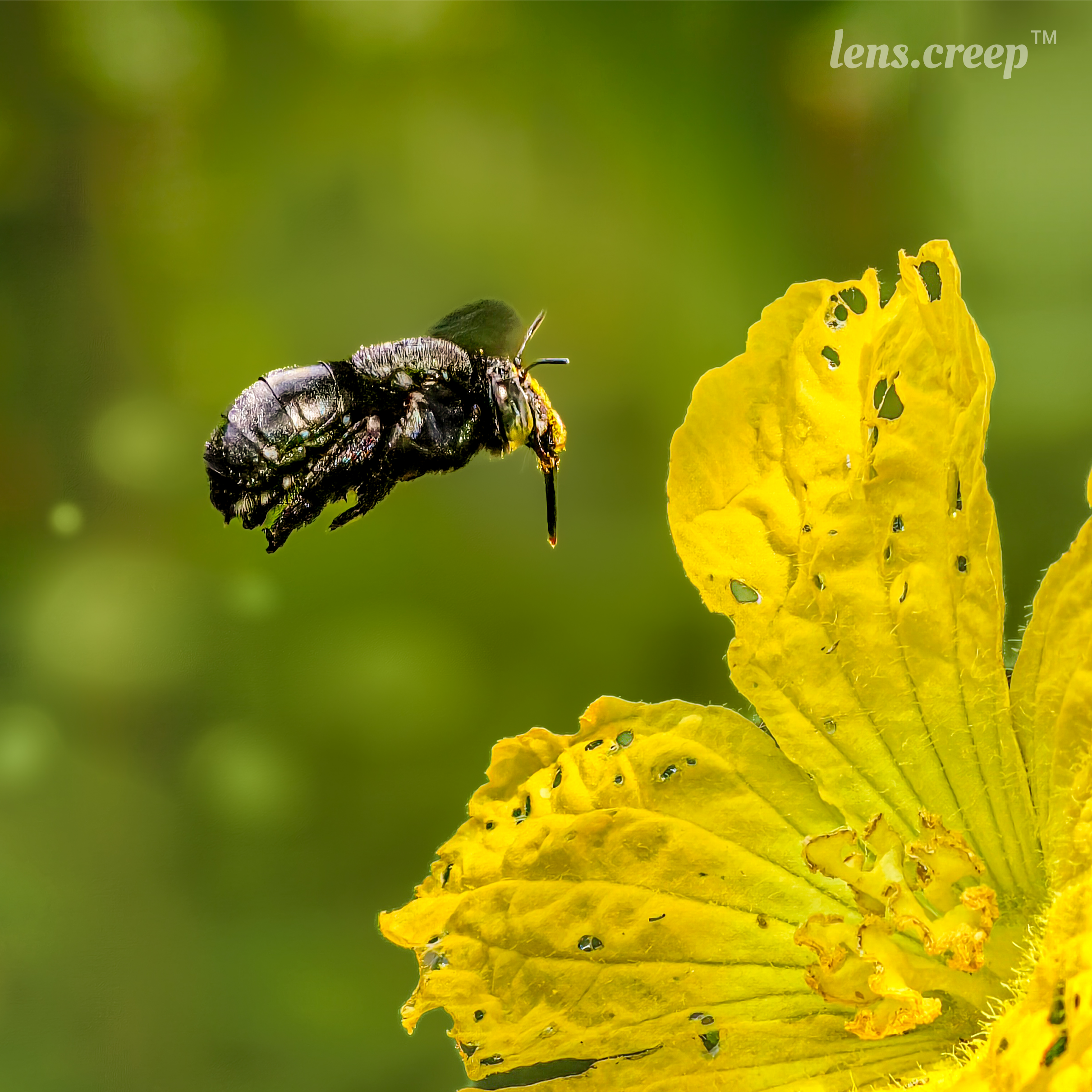
Here some information about :
•Has a smooth, shiny, and hairless abdomen. The top of their body (thorax) may be fuzzy and yellow, but the abdomen is typically black and reflective.
•Carpenter bees are large, solitary bees that burrow into wood for nesting, but they feed on pollen and nectar from flowers.
• Carpenter bees are found globally, but they are most commonly seen in wooden structures in residential and urban areas.
Model- Speckled Dronefly (Eristalinus sepulchralis)
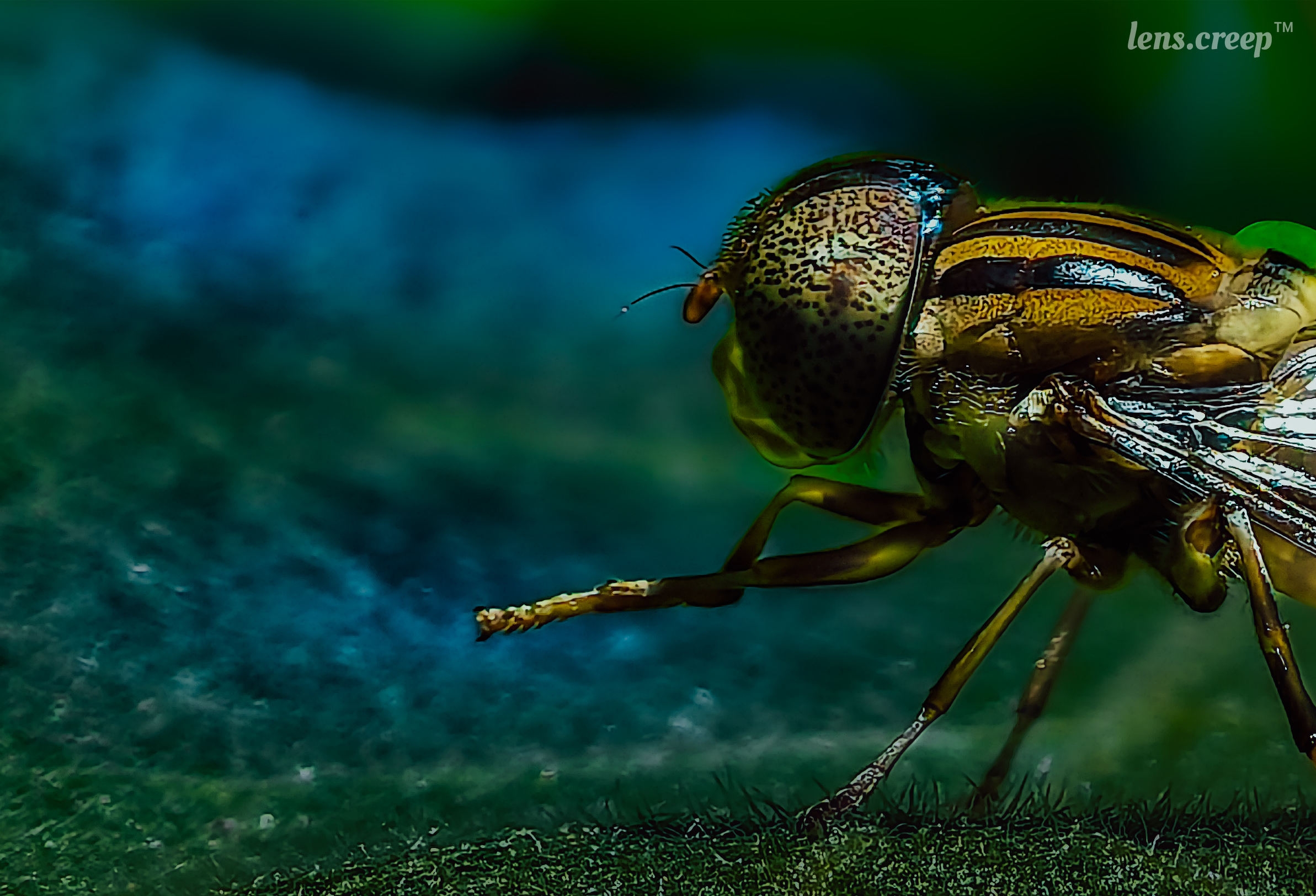
Here some information about:
• The most striking feature is its large compound eyes with a prominent striped or speckled pattern.
• If it's a female horsefly, it is known to bite and feed on the blood of animals like cattle and horses. Male horseflies and hoverflies typically feed on nectar and pollen.
•Role of all Pollination:
All flies, including those in the Eristalinus genus, are important pollinators of various crops and wild flowers, second only to bees in their role as pollinators.
👉 Flies are a type of insect in the order Diptera, which is characterized by having only two wings. Their second set of wings has evolved into small balancing organs called halteres. They are found almost everywhere on Earth and play diverse roles, including acting as pollinators, decomposers, and sometimes disease vectors. Flies undergo complete metamorphosis with four stages: egg, larva (maggot), pupa, and adult.
✨Small Creatures, Big Impact :-
Small creatures like insects, worms, and plankton may seem insignificant, but they are vital to a healthy planet. They act as "keystone species," meaning their presence has a disproportionately large impact on their environment.
Here's how they create a big impact:
Pollination is how plants reproduce. It's the transfer of pollen, often by insects or wind, which allows flowers to create seeds and fruit.
Decomposition is nature's recycling system. Decomposers like bacteria and fungi break down dead organic matter, returning vital nutrients to the soil.
An ecosystem is a community of living things (plants, animals, microorganisms) and non-living things (like water, soil, and air) that interact with each other in a specific area to create a balanced system.
🏅 Thanks to nature, we can live in this macro world. It's an intricate system where every part, including those in the natural world, plays an important role in the cycle of life.
@vivo India @no_breathe @GauravSingh @Vision_Plus_Ahmed @RoshniGupta @TheHuman @Pavan.gundarapu @Vivo India Support @Keetography @LoserAnant @NaveenTemkar
@BAPI @Aamir @Clicker_NextDoor
Please sign in
Login and share