
























Master the Art of Composition 📸 – 10 Simple Rules for Stunning Photos !

📸 4 Essential Composition Rules:-
1️⃣ Rule of Thirds:
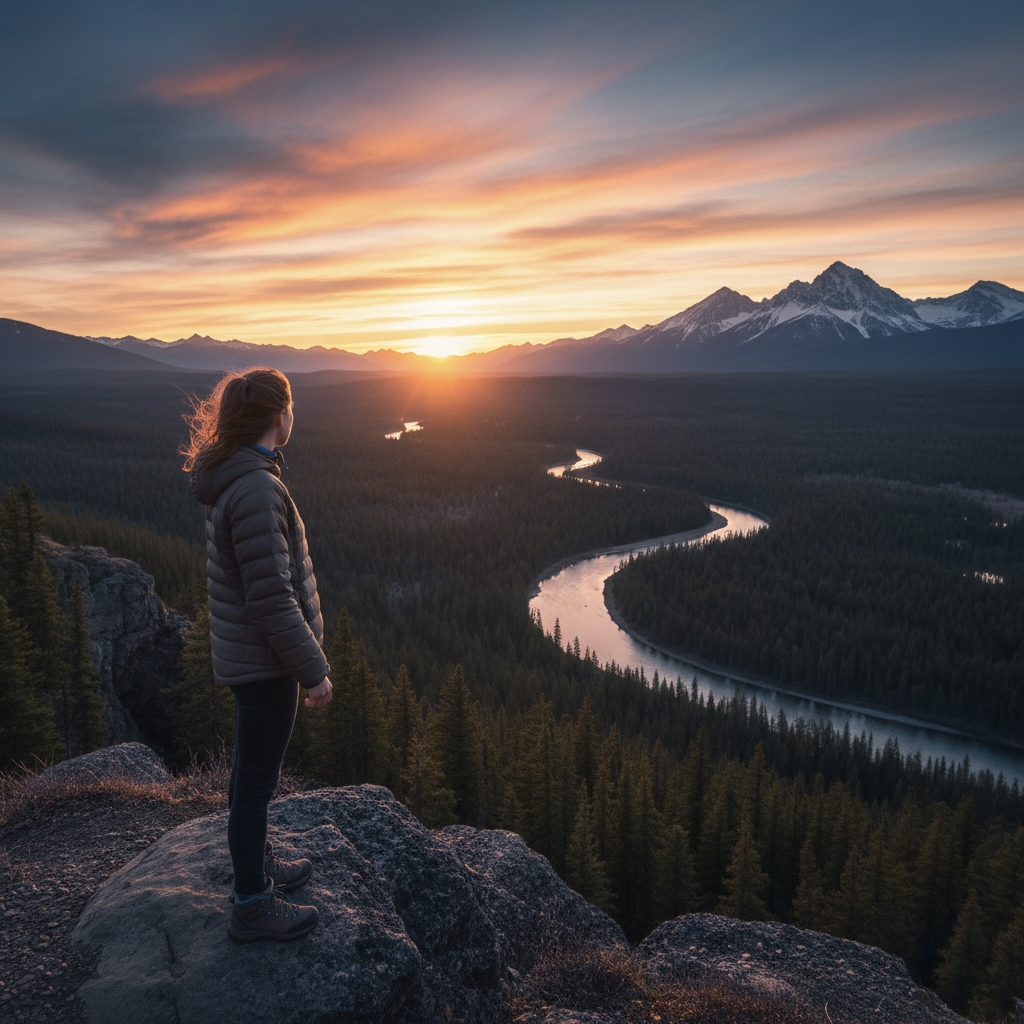
🔸Imagine your screen divided into 9 equal boxes.
🔸Place your subject on the lines or where they intersect.
🔸Example: Place a person on the left third, leaving space on the right for the scenery 🌅
2️⃣ Leading Lines:
🔸Use roads, fences, bridges, or shadows to guide the viewer’s eye to your subject.
🔸Example: A photo of a railway track leading toward a mountain 🚂

3️⃣ Symmetry & Patterns:
🔸Look for perfect balance or repeating shapes — it’s very pleasing to the eye.
🔸Example: Standing in the middle of a hallway or capturing reflections in water 🏛

4️⃣ Framing:
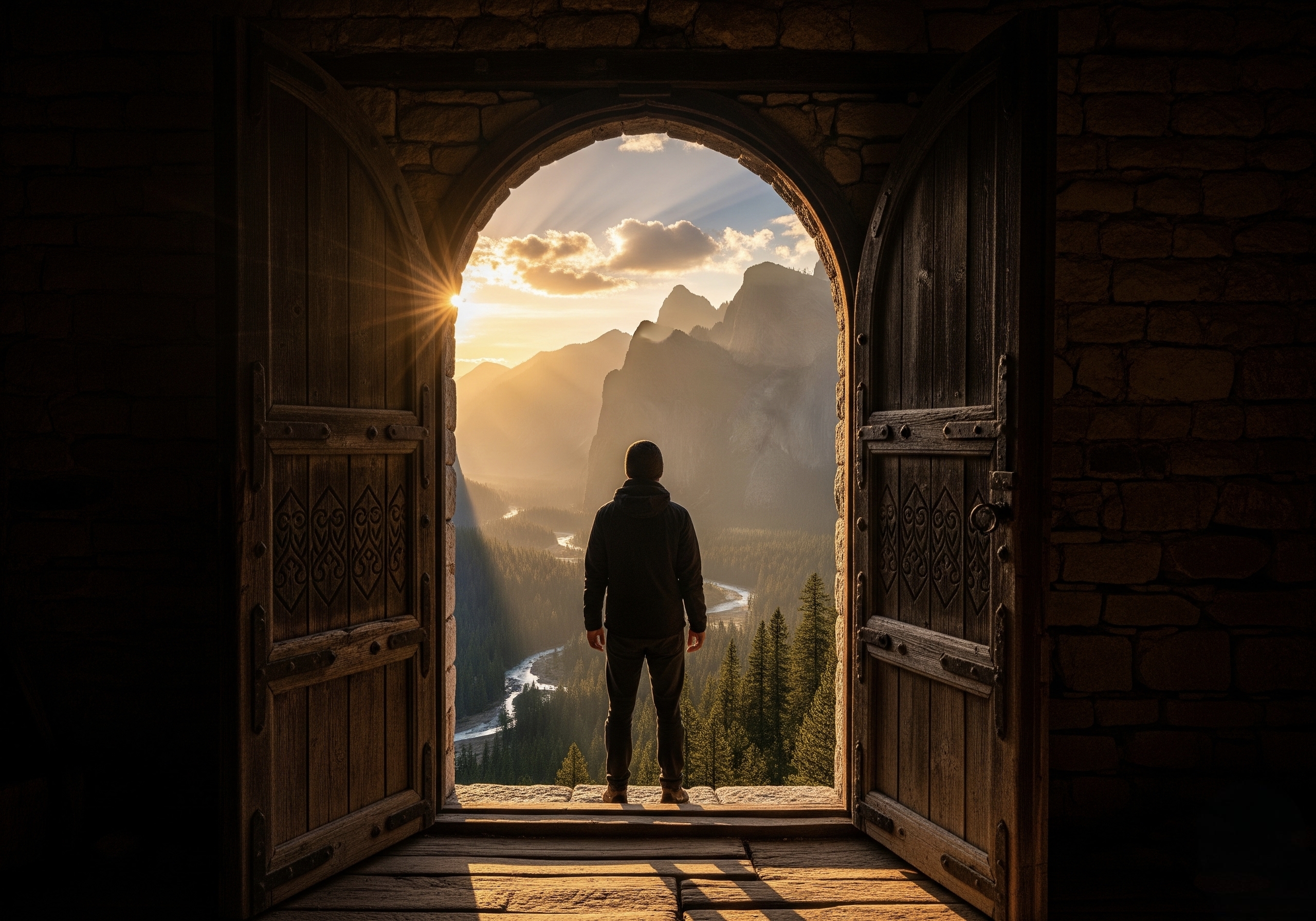
🔹Use natural frames around your subject — windows, arches, trees.
🔹Example: Clicking your friend through a doorway or a gap in leaves 🌿.
💡 Quick Tip:
Break the rules once you master them — sometimes centered or tilted shots look even more creative!
📸 Additional Important Composition Rules:-
5️⃣ Fill the Frame
🔹Get closer to your subject and remove distractions.
🔹Example: A close-up of a flower where the background is completely blurred.

6️⃣ Negative Space:
🔺Leave empty space around your subject to make it stand out.
🔺Example: A single bird against a large blue sky 🕊

7️⃣ Perspective & Angles:
🔺Change your shooting angle — go low, go high, or tilt the phone.
🔺Example: Shoot a building from the ground looking up for a dramatic effect.

8️⃣ Golden Ratio / Spiral:
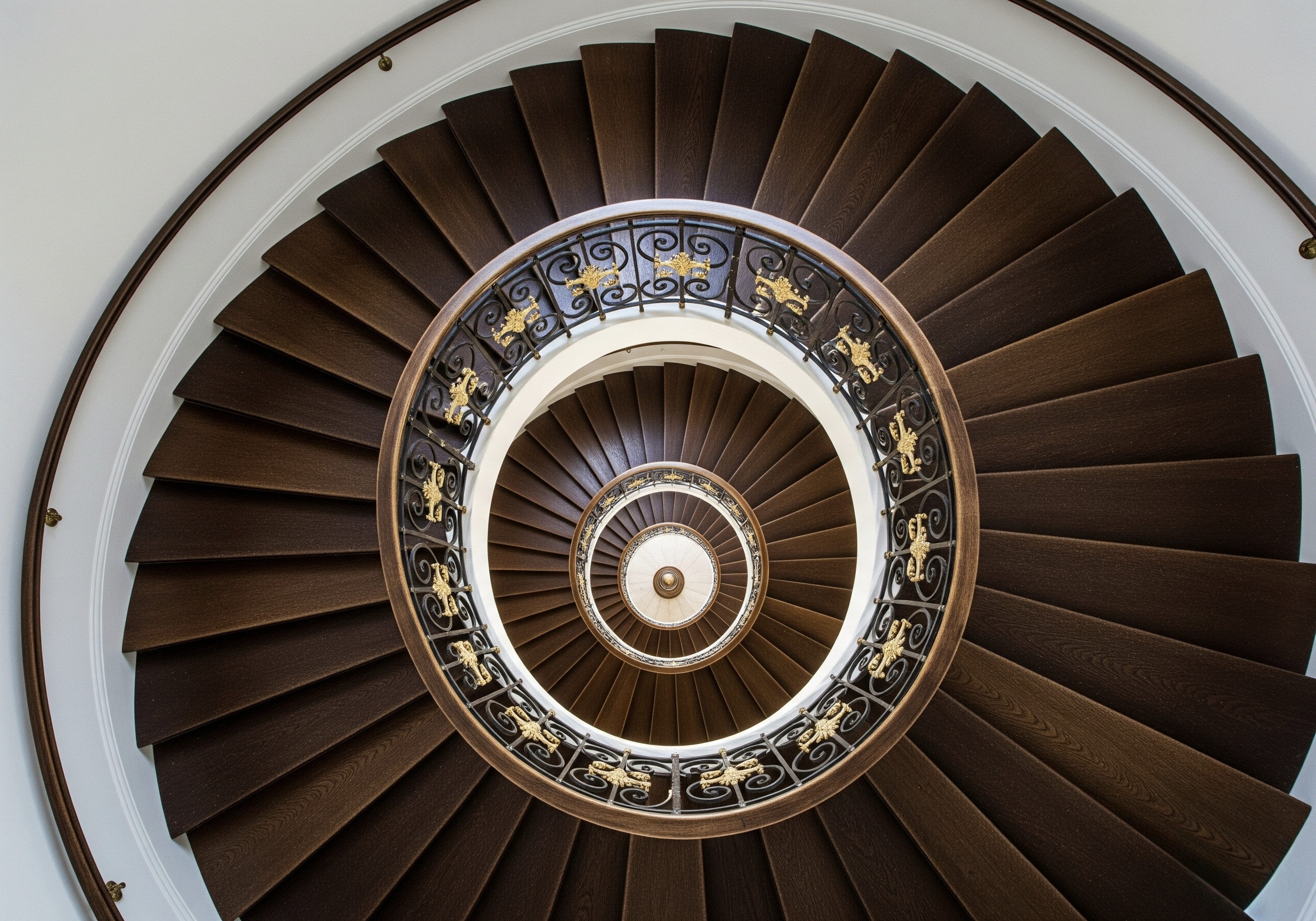
🔸More advanced version of Rule of Thirds. Place your subject along a natural curve or spiral for a balanced image.
🔸Example: A spiral staircase shot from above.
9️⃣ Depth (Foreground – Subject – Background)
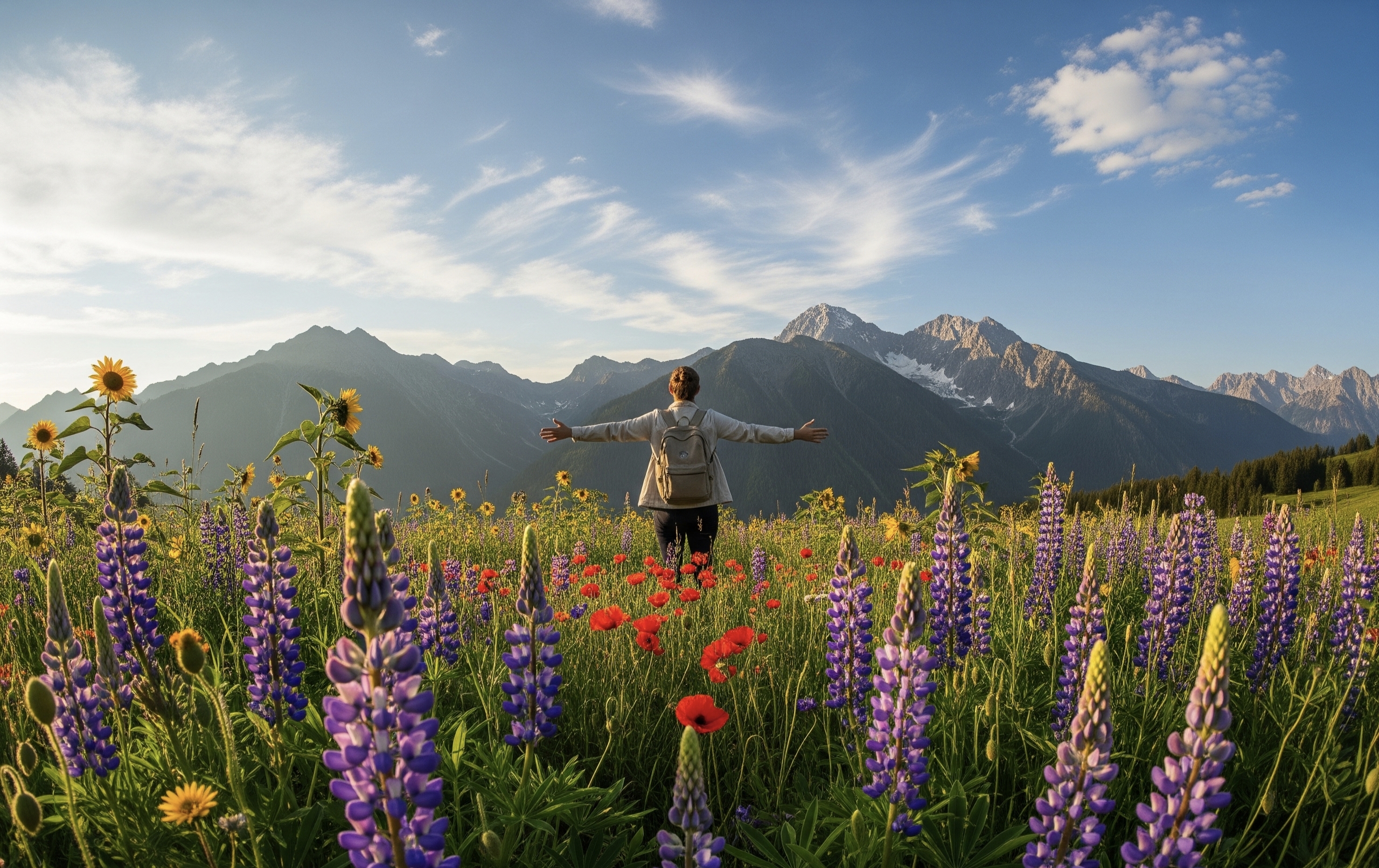
🔸Add layers to your photo to create 3D feel.
🔸Example: A photo with flowers in front, person in middle, mountains behind image.
🔟 Centered Composition (when it works)
🔹Break the Rule of Thirds for impact — especially for symmetry or portraits.
🔹Example: A person standing in the exact middle of a tunnel image.

💡 Pro Tip:
Composition is about telling a story — every element in the frame should support the subject.
Now it’s your turn — try these rules and share your best shot with us! 📸
Follow @Rohan_in_motion for more photography tips.
@vivo India @Baljeet @Ayushi Brave @Gourav_joshi @GauravSingh @Vision_Plus_Ahmed @Aman @BAPI @LoserAnant @Shivender kumar @Ajeesh@ajaya @Clicker_NextDoor @PaviVyas @Kirti🤍 @Aman
Please sign in
Login and share