





























Celebrating Chinese New Year in Calcutta

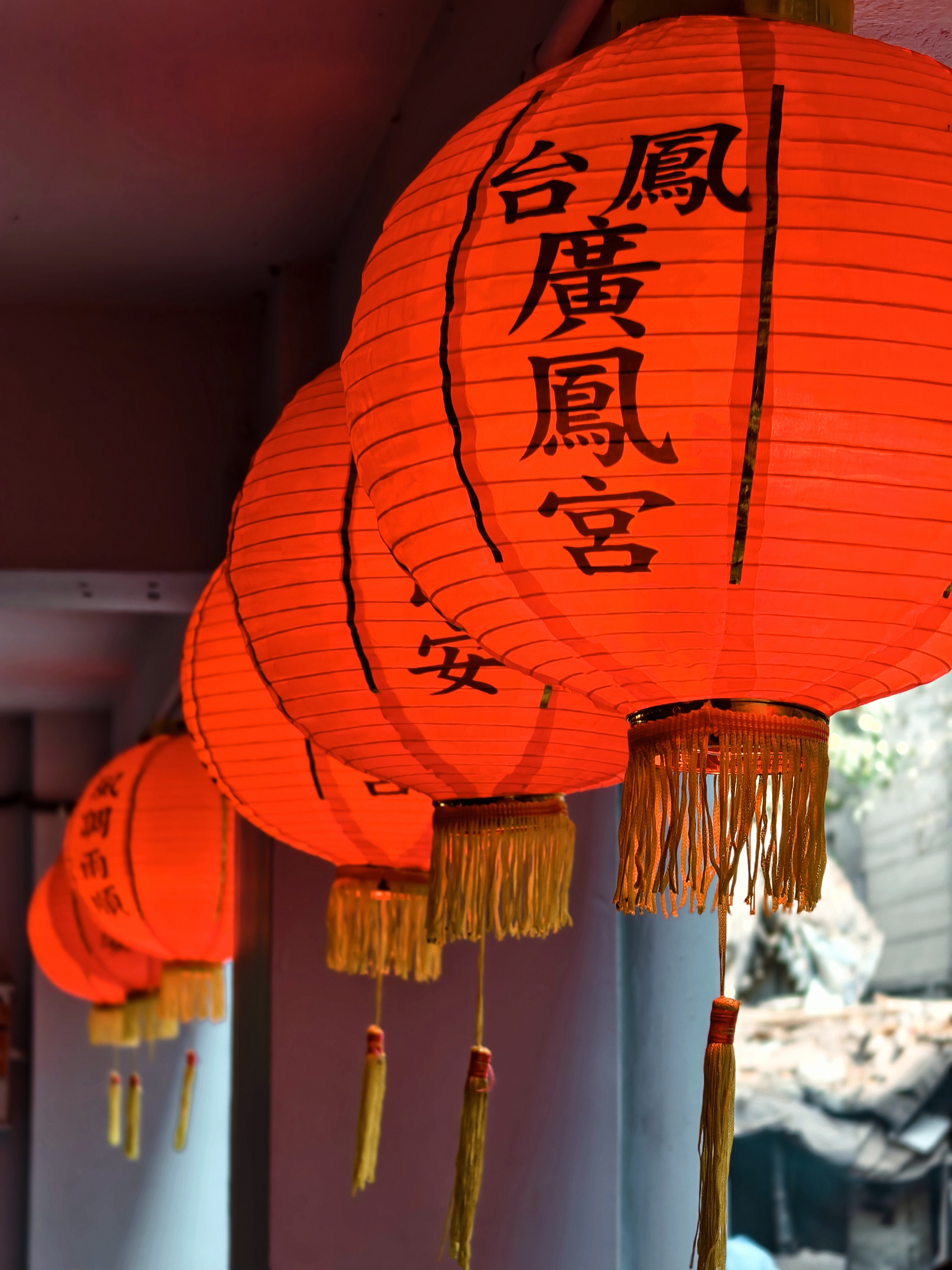
Centuries ago, a Chinese sailor named Tong Atchew stepped onto the banks of the Hooghly River, bringing with him the first seeds of a community that would forever change the cultural tapestry of India. Finding a safe haven in Kolkata, these early settlers didn't just build sugar mills and tanneries - they built a home. In fact, the Bengali name *Chini* for sugar also dates back to the history of these sugar mills operated by the Chinese workers here in south Bengal. 🚢👲
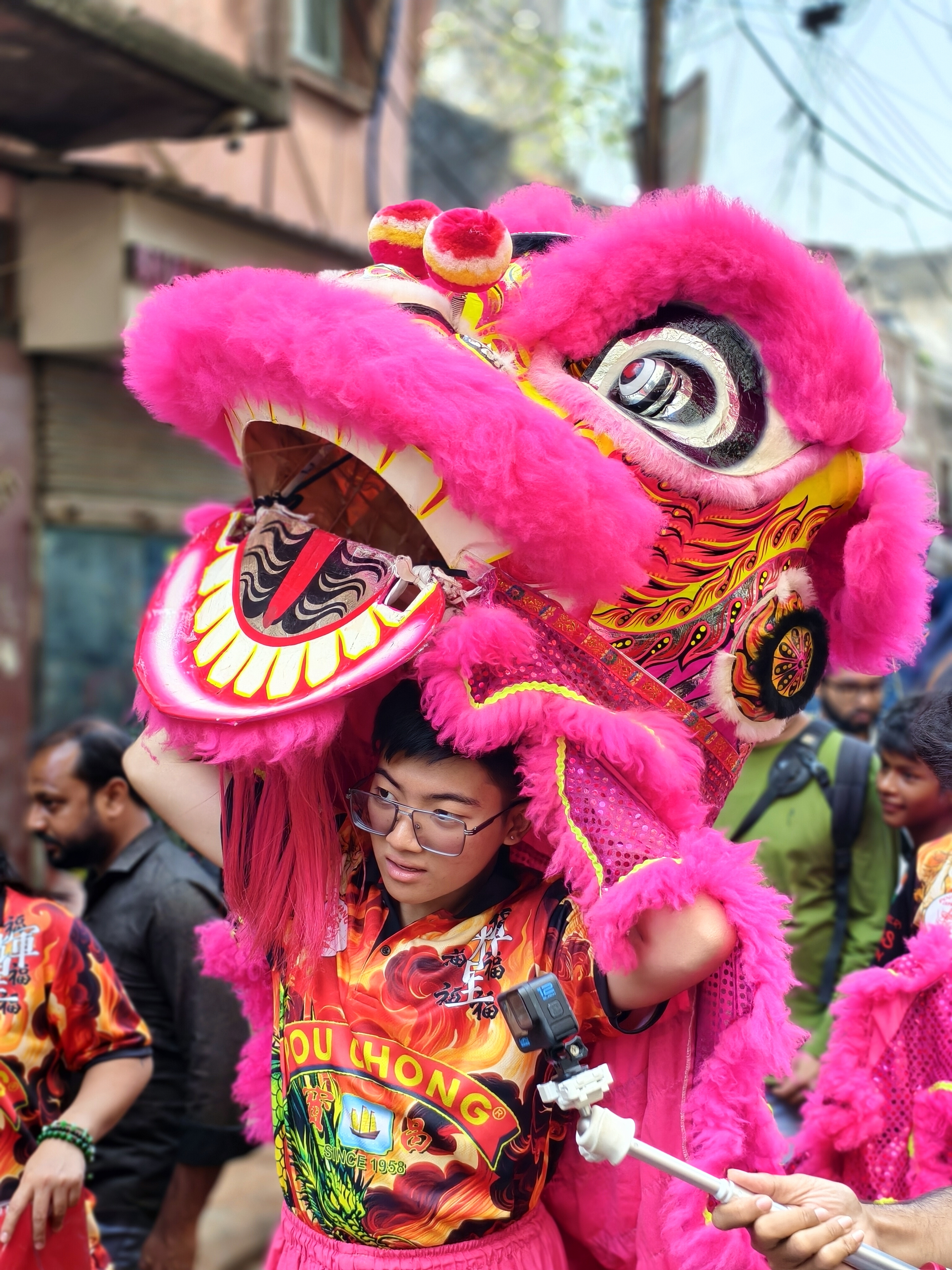
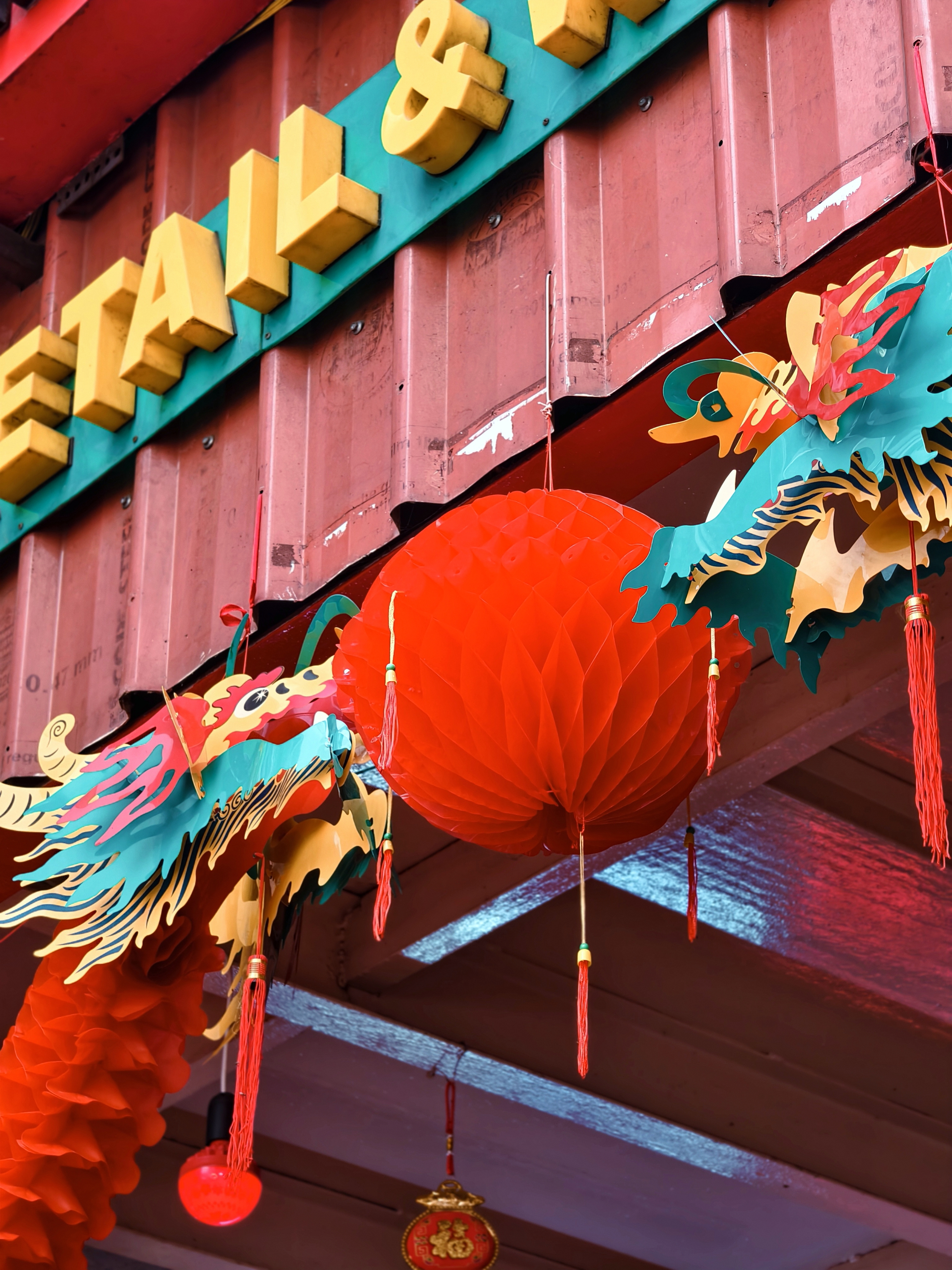
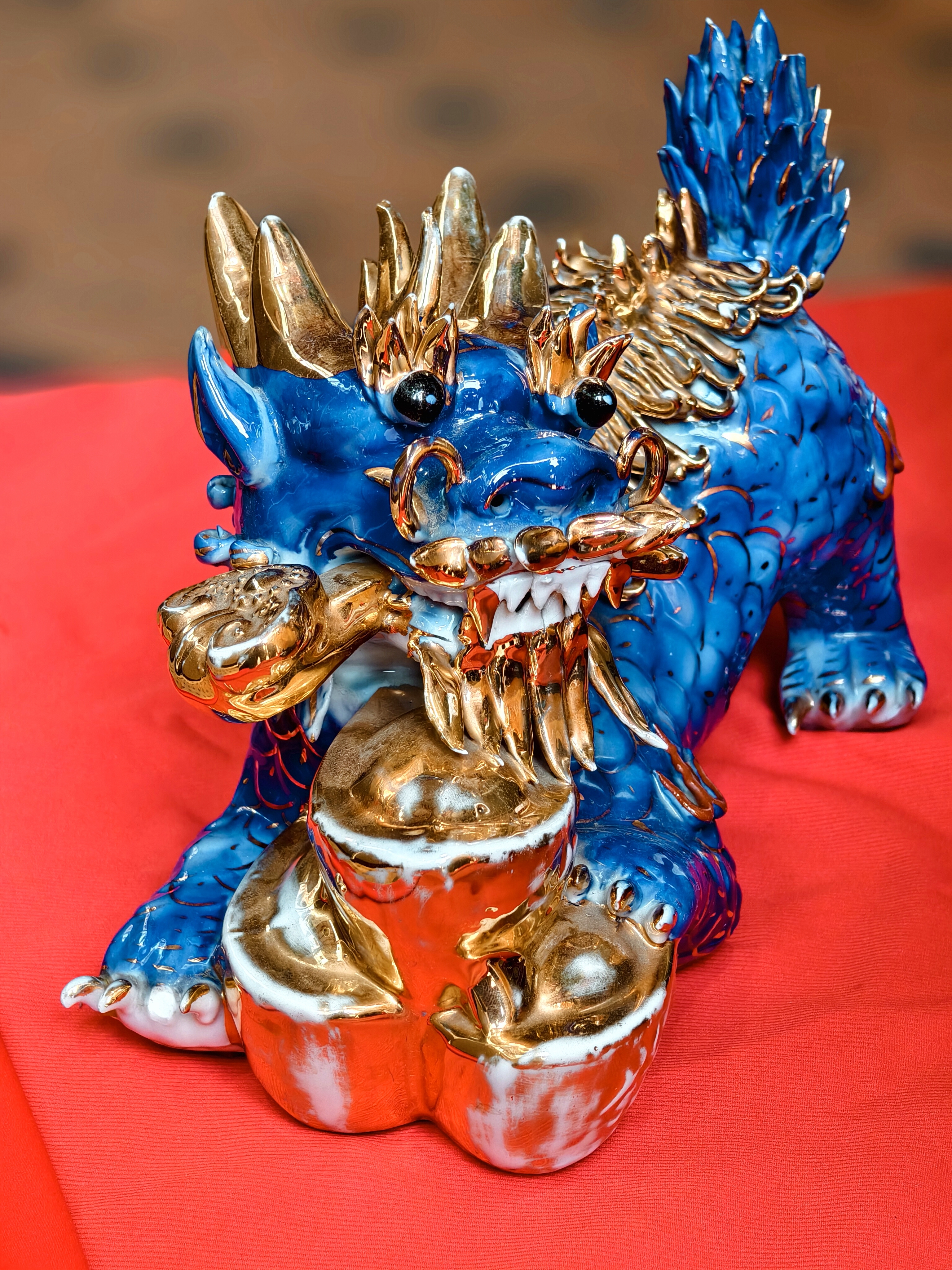
Through decades of shared history, the Chinese-Indian community has woven its way into the very soul of the country. They became the masters of craftsmanship and the creators of the iconic Indo-Chinese cuisine we all love today. From learning to speak fluent Bengali and Hindi to establishing the incredible Chinese Kali Temple in Tangra - where prasad is offered in the form of noodles and momos - their integration is a beautiful testament to India’s spirit of inclusivity. 🇮🇳⛩️
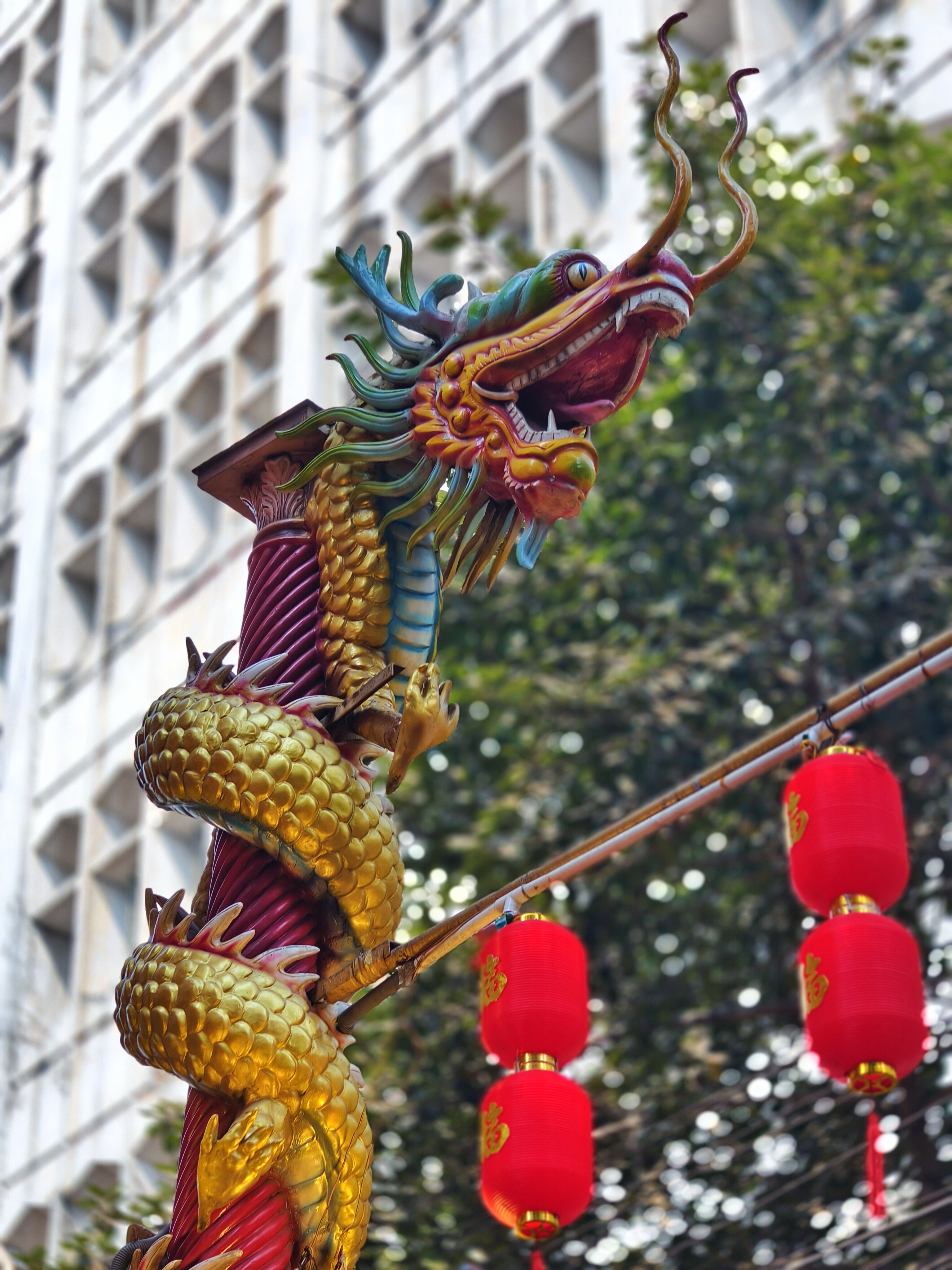
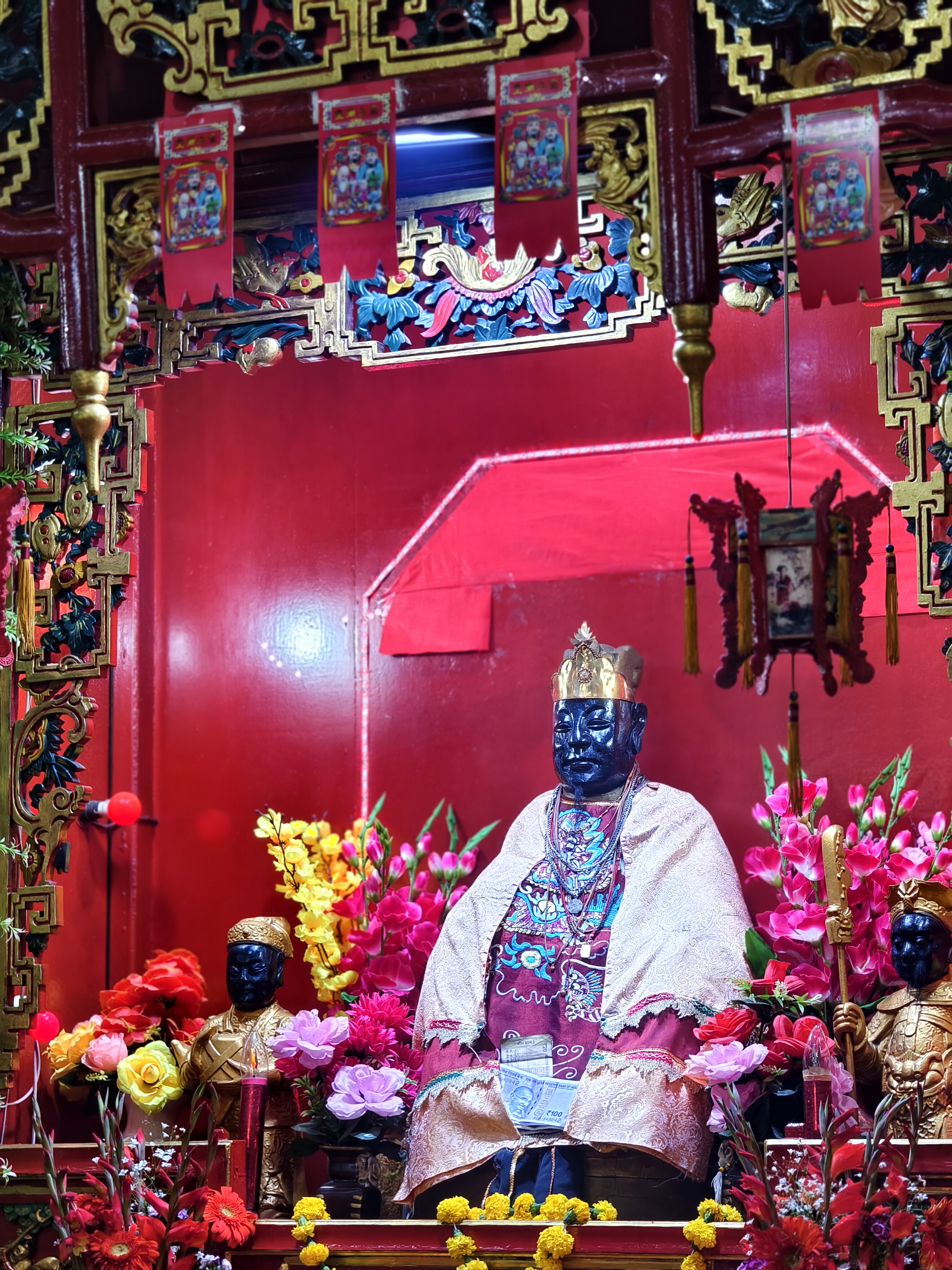
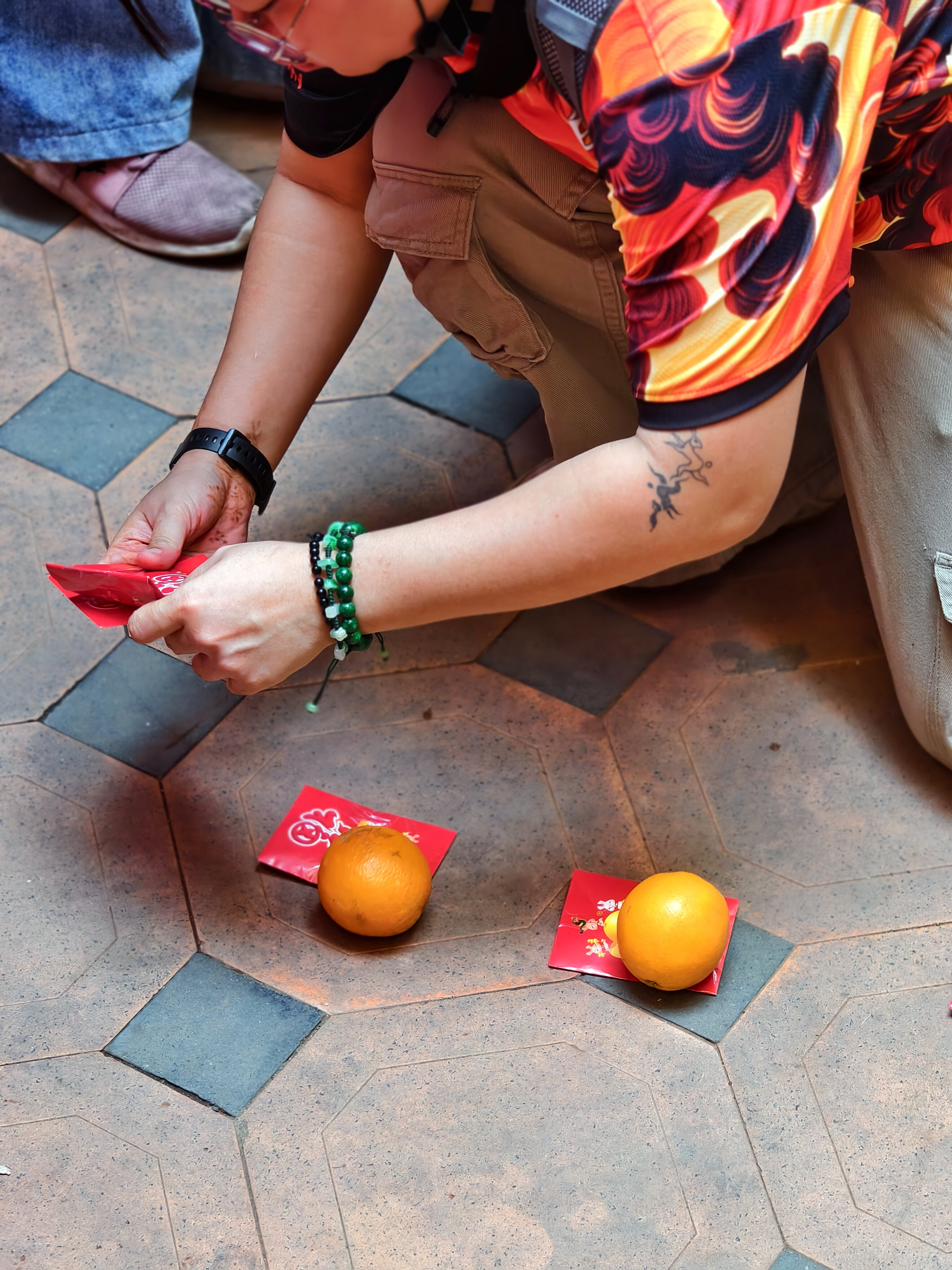
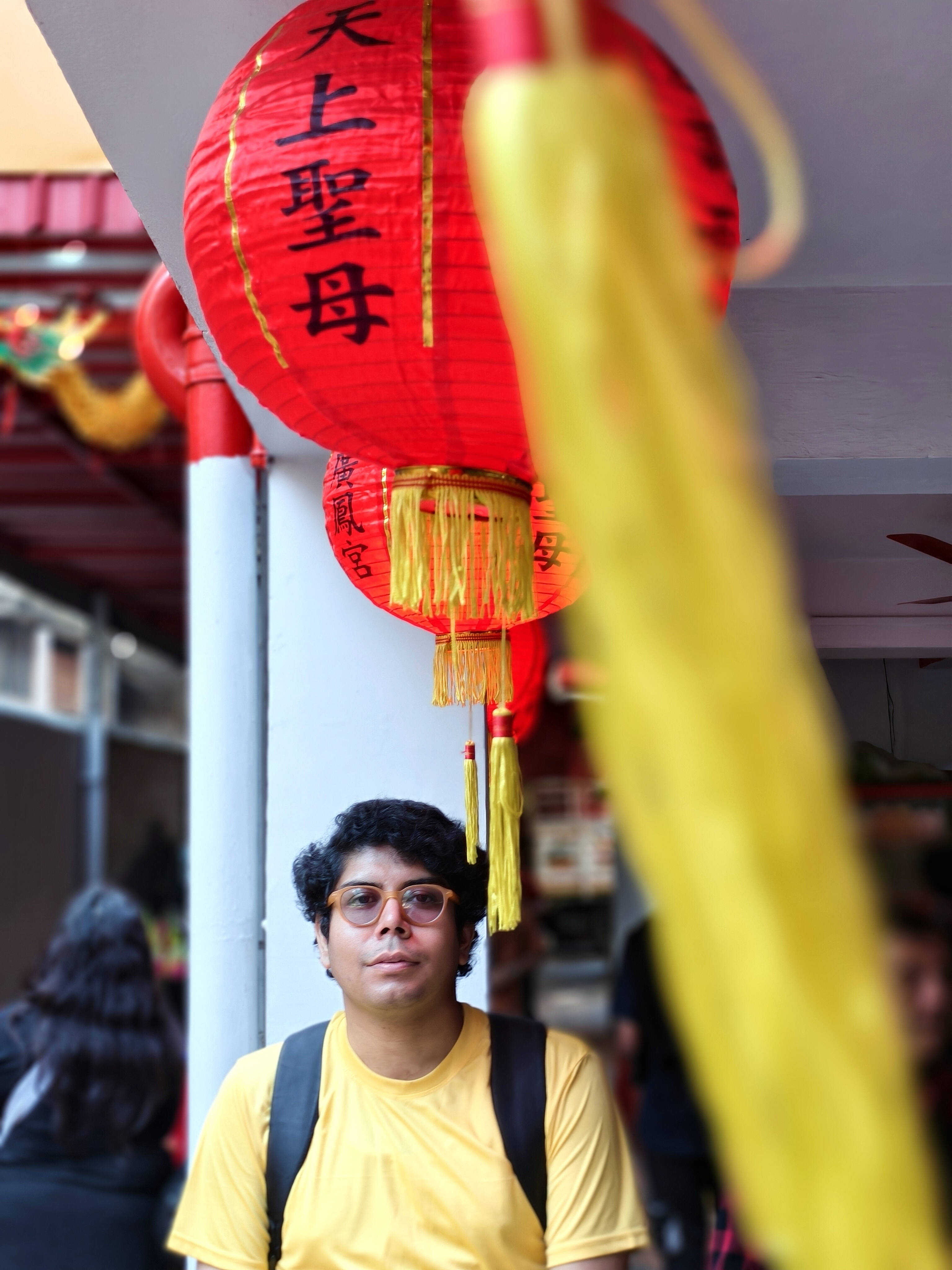
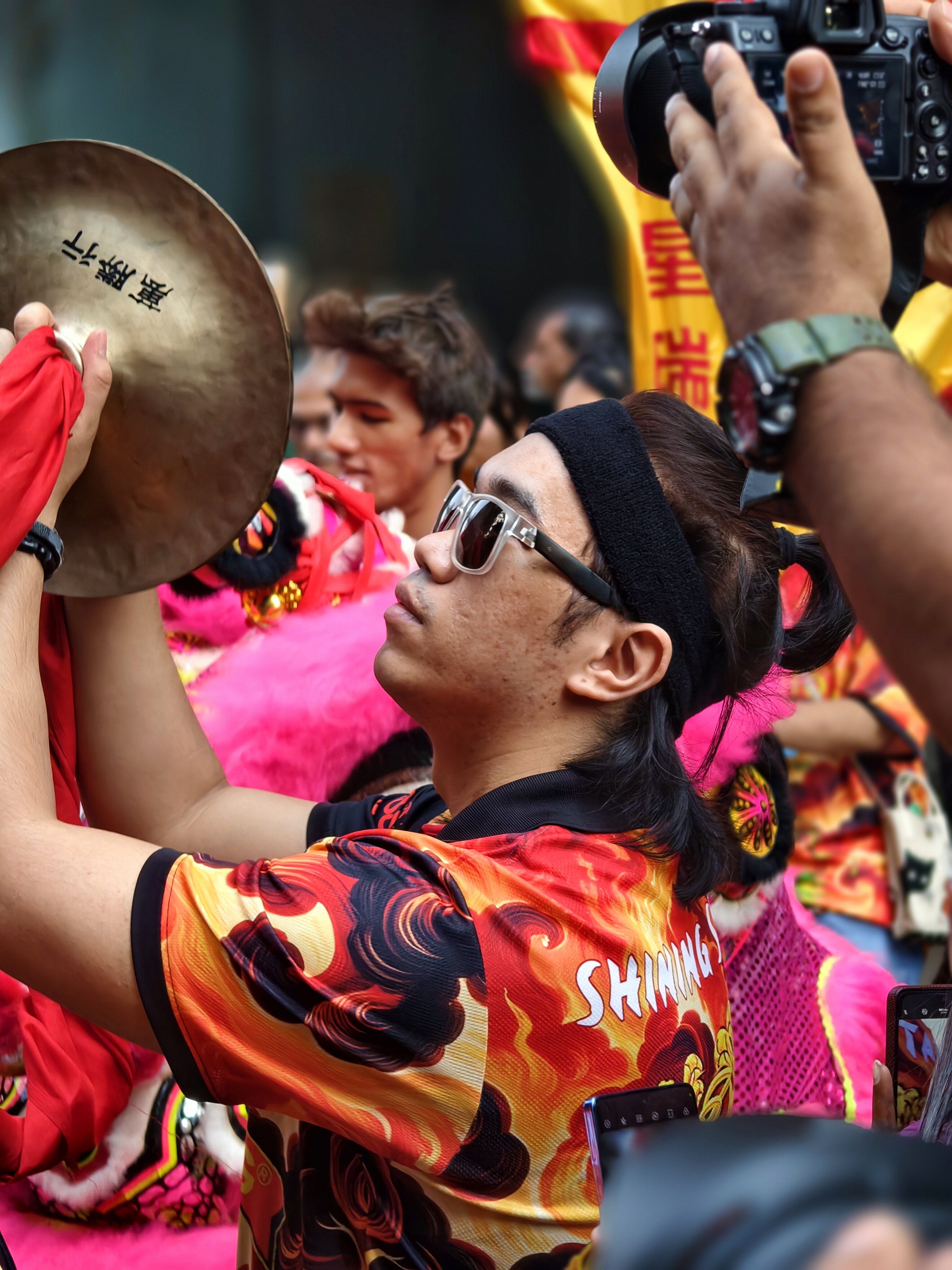
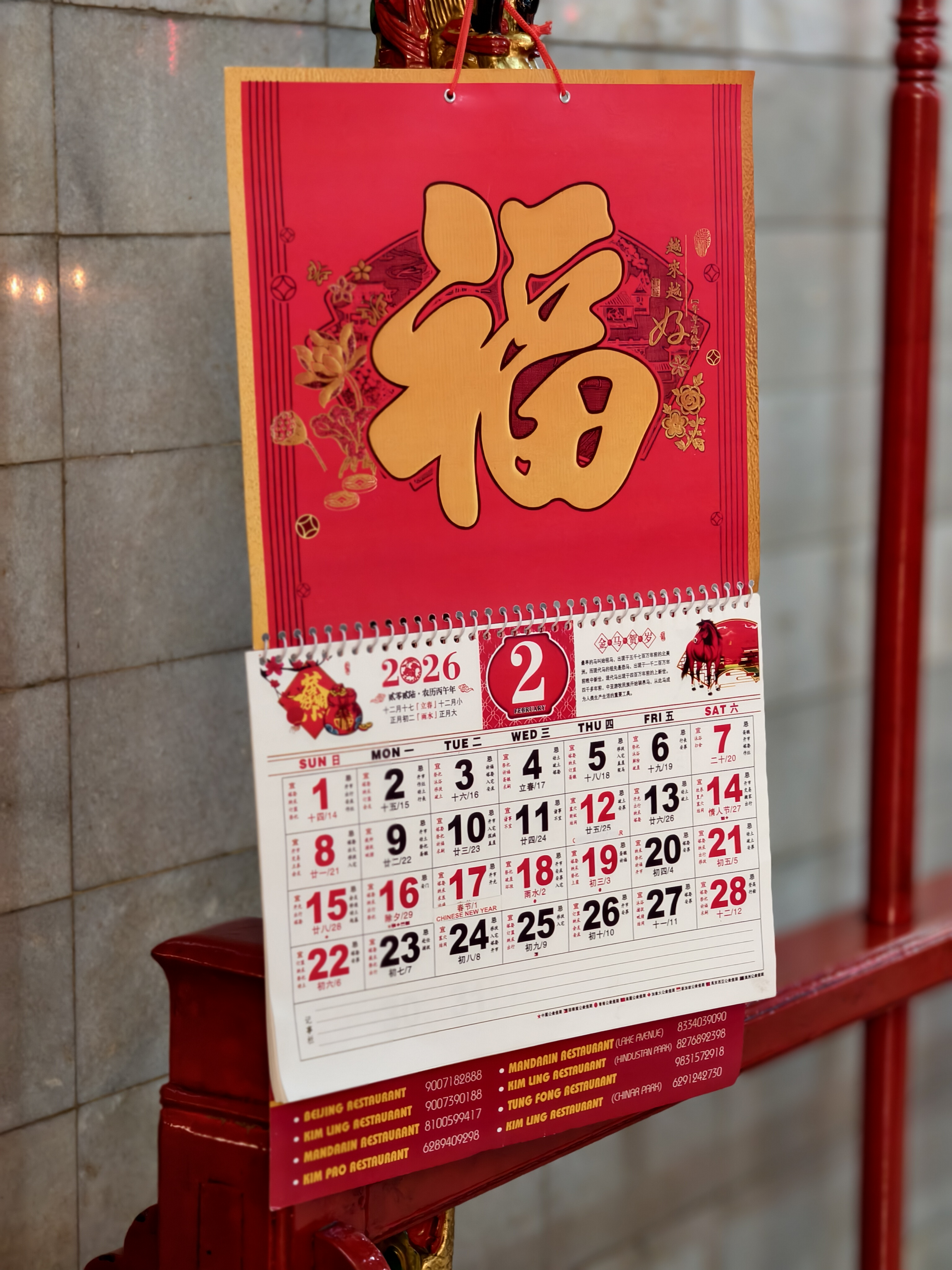
Yet, they never let go of their roots. Every year around mid February, as the Lunar New Year dawns, the narrow lanes of Tiretti Bazaar and Tangra come alive. The thunder of drums and the clashing of cymbals herald the Dragon Dance, a magnificent tradition kept alive through generations to ward off evil and welcome prosperity. 🀄🐲🥁
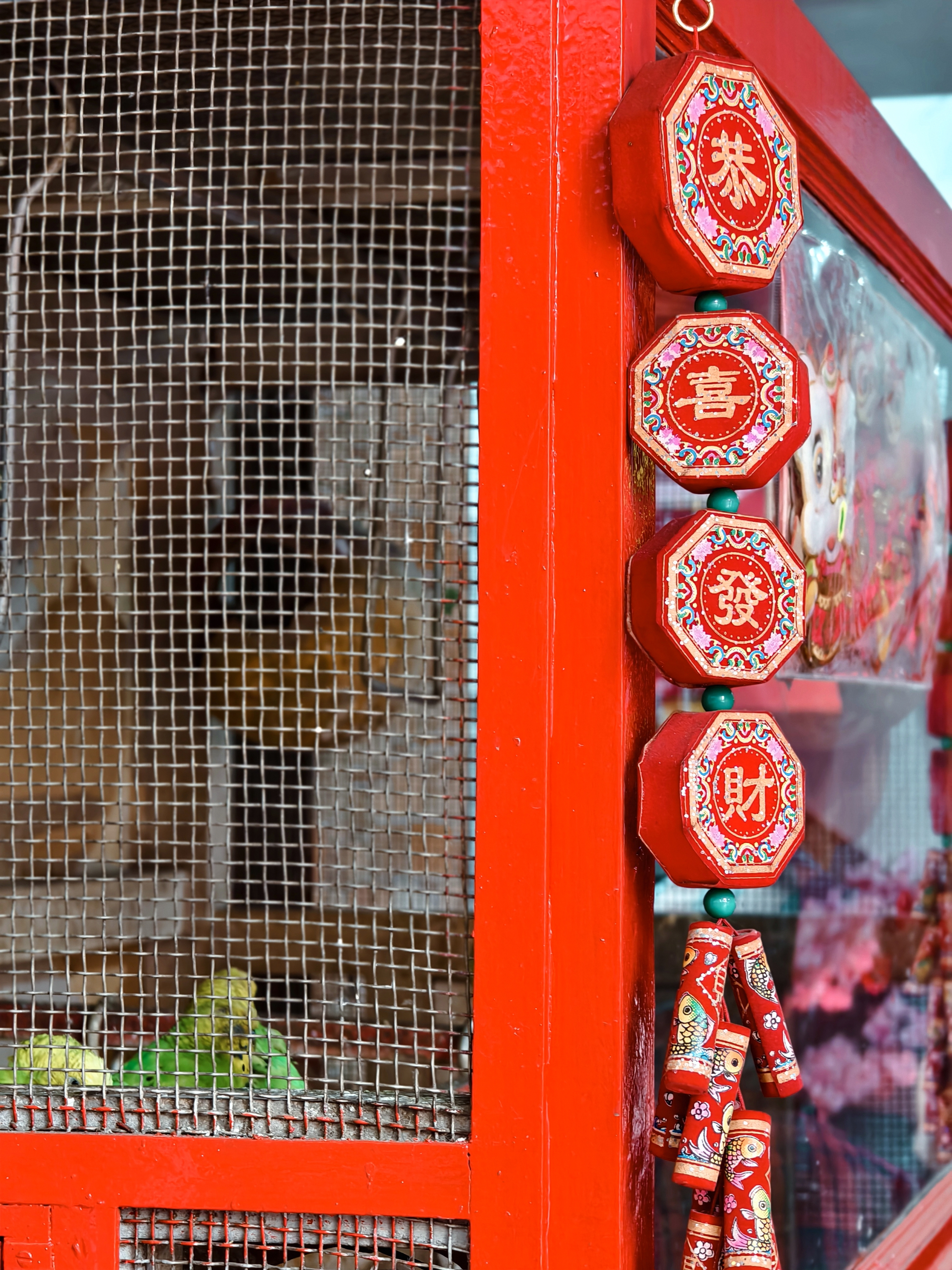
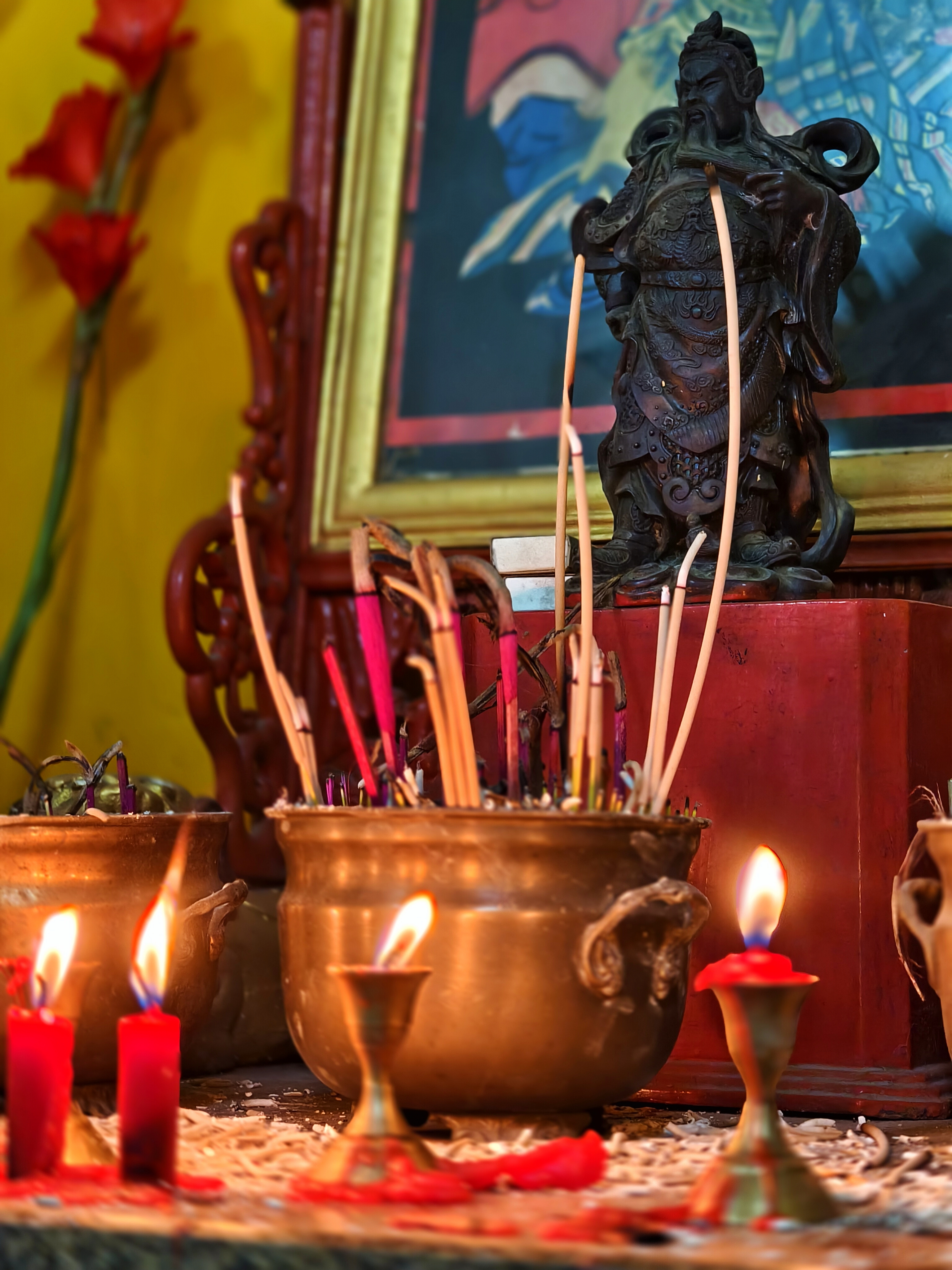
This year, as we celebrate the Year of the Fire Horse 🐎, we honour the resilience of a community that found a second home in India, proving that while borders might define maps, culture and kindness define humanity. 🏮🐉❤️
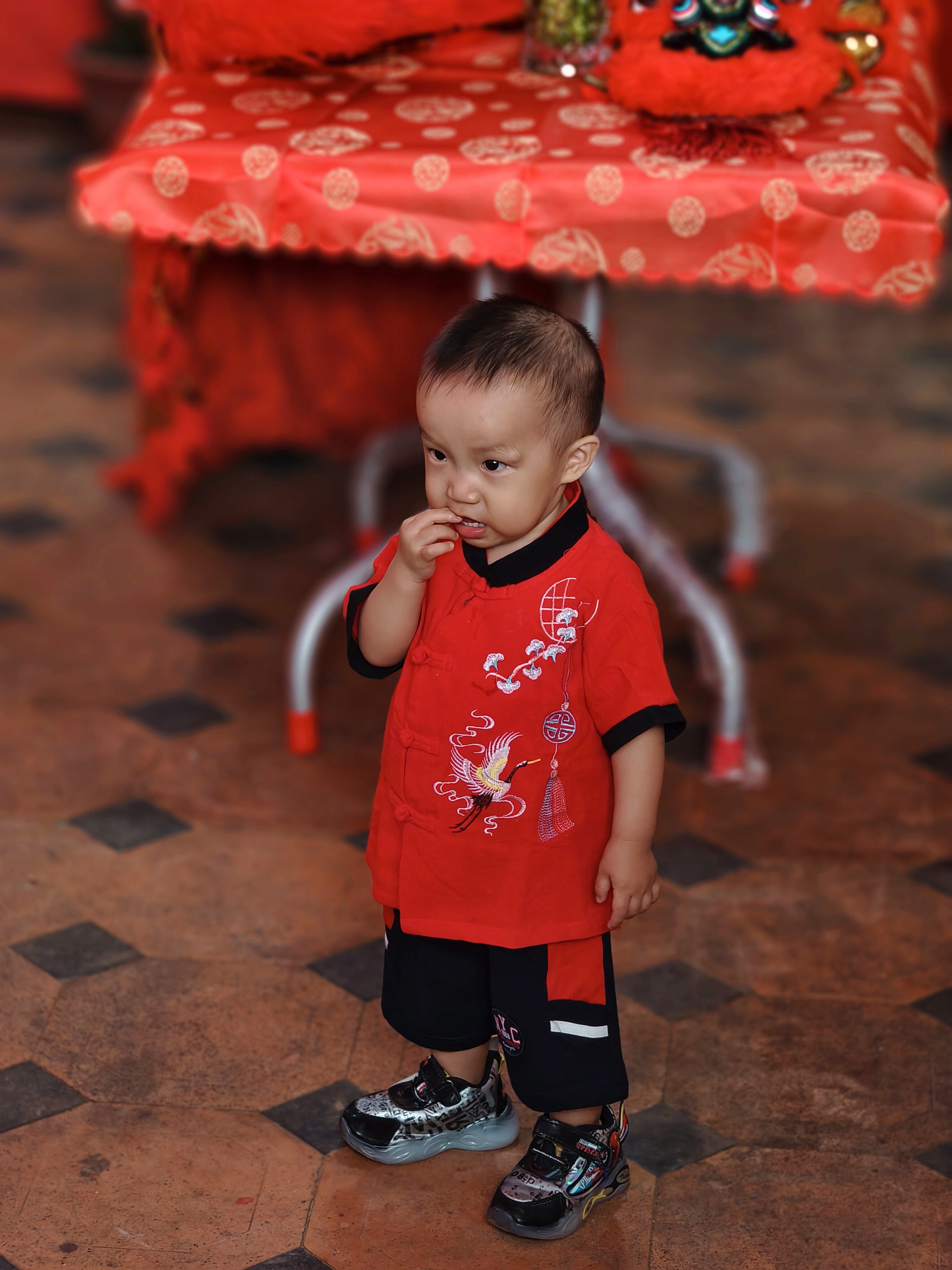
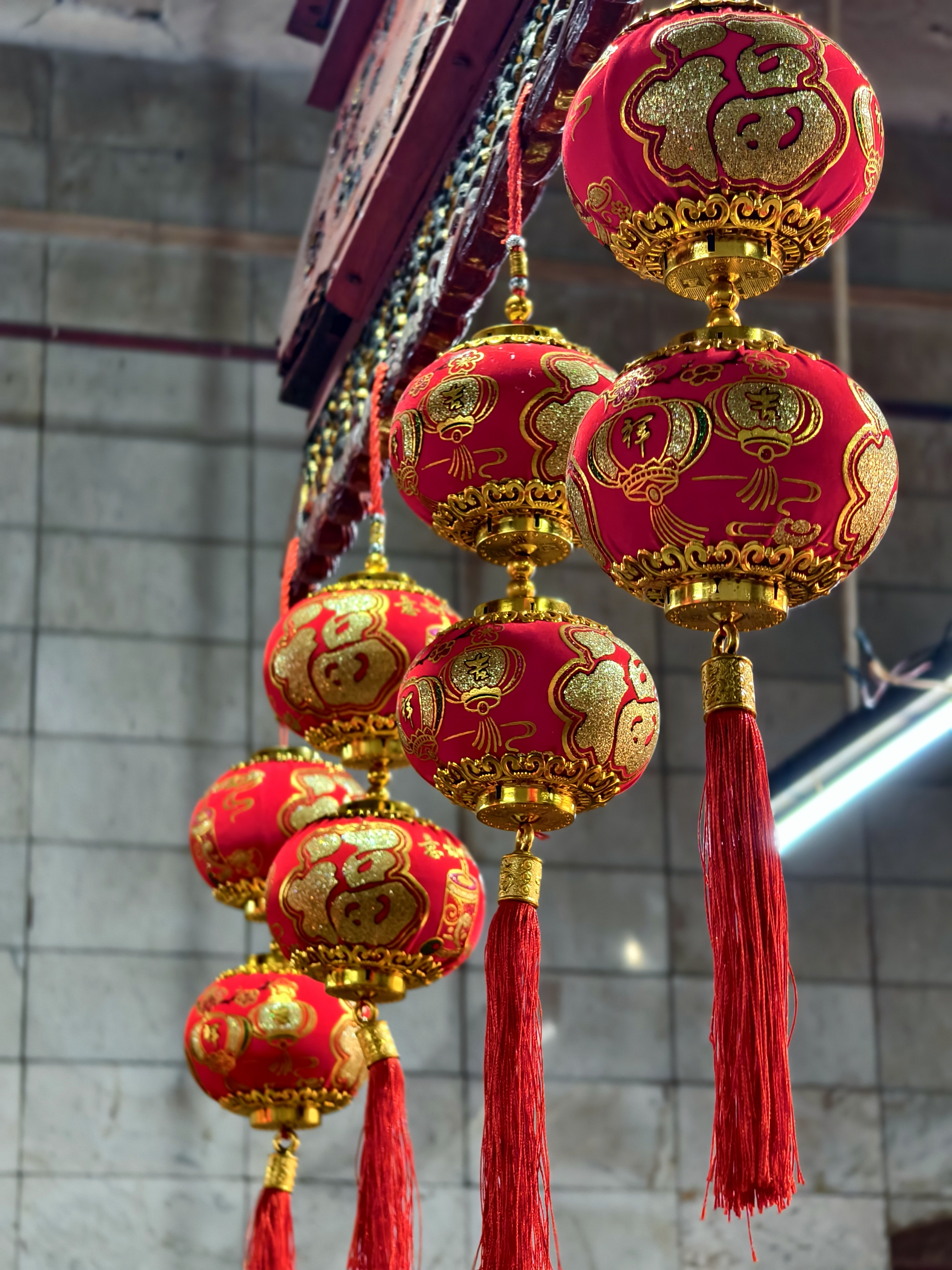
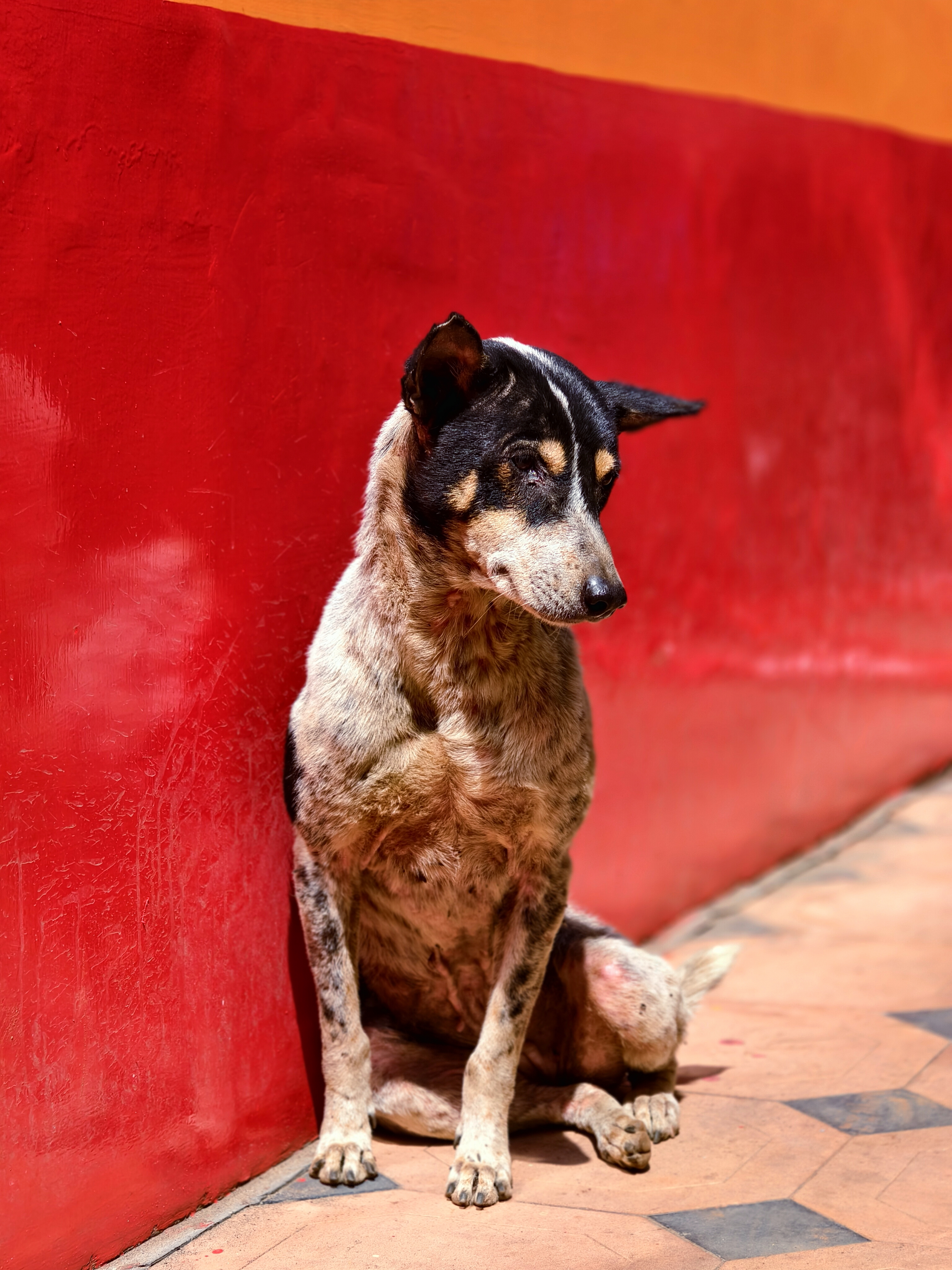
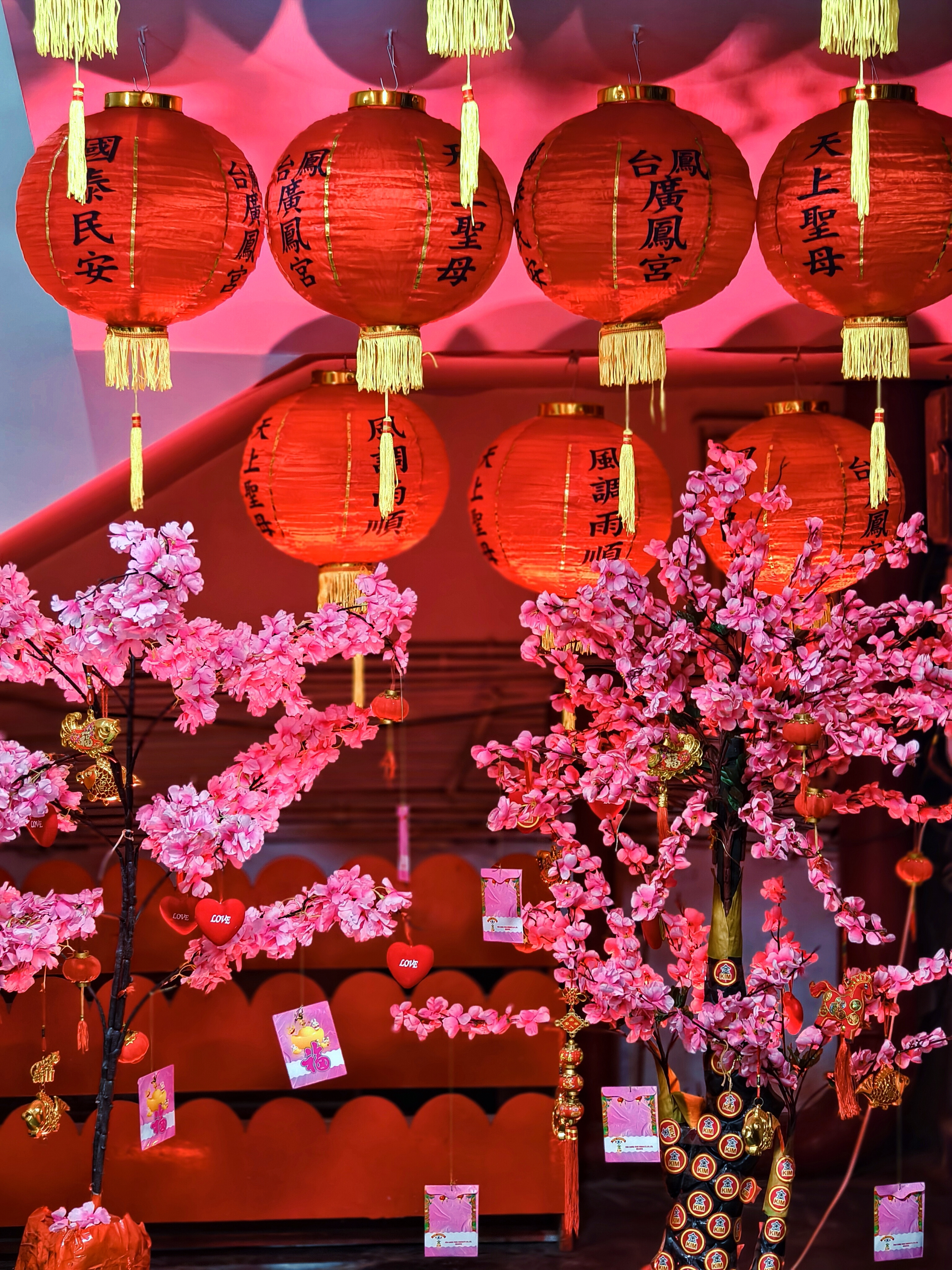
On the morning of the Chinese New Year in Tuesday, 17 February, I visited the Pou Chong Factory Complex, located in central Kolkata around Tiretti Bazar, near Central Metro Station, where a part of the Sino-Indian community made their abode over the last century, as we witnessed them embark on the celebration of this Chinese New Year with glory. Their hospitality for the visitors from different parts of the city was admirable, especially considering the less patient crowd of content creators trying their best to capture some worthy frames.
Please sign in
Login and share